









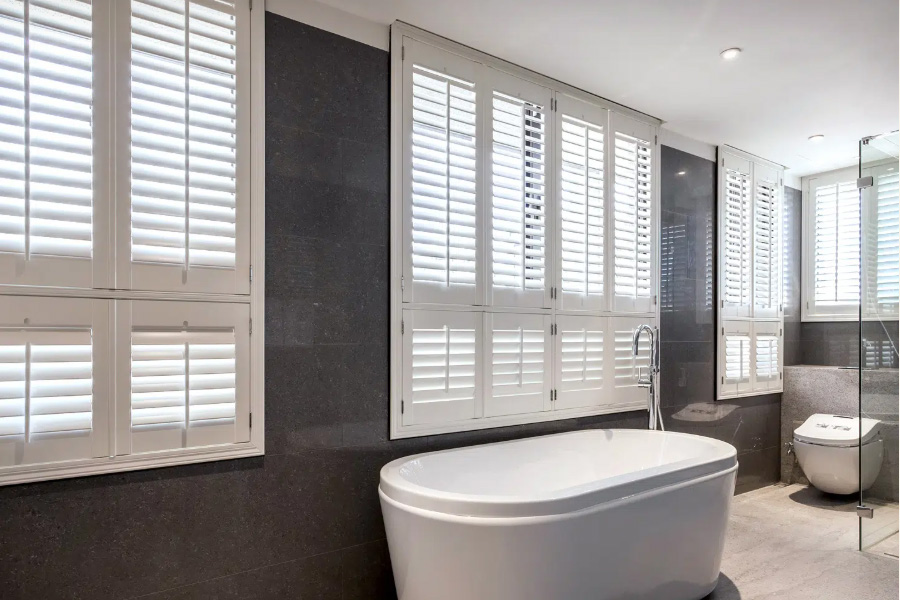
When real wood shutters aren’t practical for your home, composite and vinyl shutters offer compelling alternatives with distinct advantages. Both synthetic materials provide superior moisture resistance compared to natural wood, making them popular choices for homeowners seeking low maintenance window treatments that withstand wear and weather.
The decision between composite vs vinyl shutters often comes down to balancing initial cost against long-term value, aesthetic appeal versus minimal upkeep, and durability requirements for your specific climate. Understanding the key differences between these materials will help you choose the best material for your home’s needs and budget.
Quick Comparison: Composite vs Vinyl Shutters
- Composite shutters typically cost 30-50% more than vinyl shutters initially, but their enhanced durability and classic appearance often provide better long-term value.
- Vinyl shutters excel in applications where minimal upkeep and immediate cost savings are priorities.
| Factor | Composite Shutters | Vinyl Shutters |
|---|---|---|
| Initial Cost | $200-400 per window | $100-200 per window |
| Lifespan | 20-25 years | 15-20 years |
| Maintenance | Periodic repainting every 5-7 years | Minimal - soap and water cleaning |
| Appearance | Authentic wood grain texture | Smooth plastic finish |
| Weight | Heavier - requires stronger mounting | Lightweight - easy installation |
| Durability | Superior impact resistance | Good moisture resistance |
| Customization | Extensive sizing and design options | Limited range of sizes |
| Climate Performance | Excellent in temperature extremes | May warp in extreme heat |
Composite shutters typically cost 30-50% more than vinyl shutters initially, but their enhanced durability and classic appearance often provide better long-term value. Vinyl shutters excel in applications where minimal upkeep and immediate cost savings are priorities.
What Are Composite Shutters?
Composite shutters are manufactured from engineered wood products that combine wood fibers with synthetic resins to create a moisture resistant material that mimics natural wood. The most common composite material used is Extira, which consists of 90% sustainable wood fibers bonded with marine-grade resins and pressed into dense sheets for shaping and finishing.
This manufacturing process creates a shutter material that’s similar to medium density fiberboard but with enhanced weather resistance and structural strength. Unlike wood, composite materials won’t rot, warp from moisture, or attract insects, making them ideal for humid environments like bathrooms and coastal areas.
The finished product weighs more than vinyl but less than real wood shutters, providing a solid feel that enhances their authentic appearance. Composite shutters offer extensive customization options and can be manufactured to fit unique window shapes and sizes that standard vinyl shutters cannot accommodate.
Composite Shutter Benefits
Superior Moisture Resistance: Composite materials excel in high-humidity environments where genuine wood would require regular upkeep. The marine-grade resins used in quality composite shutters create a moisture resistant material that performs exceptionally well in bathrooms, laundry rooms, and coastal areas where traditional wood shutters would deteriorate rapidly.
Authentic Wood Appearance: The natural grain patterns and texture of composite shutters closely replicate real wood shutters, providing enhanced aesthetic appeal compared to vinyl alternatives. This classic appearance contributes significantly to home value and curb appeal, especially in traditional architectural styles.
Enhanced Structural Durability: Composite shutters are stronger than medium density fiberboard and many other engineered wood products, allowing them to withstand wear better than lighter materials. Their solid construction resists impact damage and maintains structural integrity over decades of use.
Design Flexibility: Unlike mass-produced vinyl shutters with limited color options, composite shutters can be custom manufactured in various sizes, configurations, and finishes. This flexibility makes them suitable for unique window shapes and architectural requirements where standard vinyl shutters won’t fit properly.
Composite Shutter Drawbacks
Higher Initial Investment: Composite shutters cost significantly more than vinyl shutters, often requiring 50-100% higher upfront investment. This cost difference can be substantial for homes with many windows or large window openings requiring custom shutters.
Periodic Maintenance Requirements: Although composite shutters require far less maintenance than natural wood shutters, they still need periodic care. Most composite shutters benefit from repainting every 5-7 years to maintain their appearance and protective finish, unlike vinyl shutters that maintain their color throughout their lifespan.
Installation Complexity: The heavier weight of composite shutters requires stronger mounting hardware and more careful installation compared to lightweight vinyl options. Improper installation can lead to sagging or pulling away from mounting points, especially on larger windows.
Longer Production Times: Custom composite shutters typically require longer manufacturing and delivery times compared to readily available vinyl shutters. This can delay project completion for homeowners working within tight renovation schedules.
What Are Vinyl Shutters?
Vinyl shutters are manufactured from injection-molded polypropylene or polyvinyl chloride (PVC), creating lightweight window treatments that offer excellent moisture immunity and cost effectiveness. Modern vinyl shutters incorporate UV stabilizer technology to prevent fading and cracking, while textured surfaces help reduce the plastic appearance that characterized earlier vinyl products.
The manufacturing process allows for consistent quality and rapid production, making vinyl shutters widely available in standard sizes and popular colors. This mass production capability enables manufacturers to offer vinyl shutters at significantly lower prices than custom wood or composite options.
Unlike wood or composite materials, vinyl shutters are completely impervious to moisture, making them ideal for high-humidity environments. Their lightweight construction simplifies installation and reduces the risk of mounting hardware failure over time.
Vinyl Shutter Benefits
Lowest Cost Option: Vinyl shutters represent the most cost effective choice among all shutter materials, typically costing 30-50% less than composite alternatives and significantly less than real wood shutters. This affordability makes them accessible for budget-conscious homeowners and large-scale projects where material costs multiply quickly.
Virtually Maintenance-Free: True to their reputation for minimal upkeep, vinyl shutters require only occasional cleaning with soap and water to maintain their appearance. Unlike composite or wood shutters that may need periodic painting or refinishing, vinyl shutters retain their color and finish throughout their lifespan without additional treatments.
Complete Moisture Immunity: Vinyl shutters perform exceptionally well in humid environments, showing no degradation from moisture exposure that would damage wood or even some composite materials. This makes them perfect for bathrooms, laundry rooms, and coastal areas where moisture resistant materials are essential.
Fast Availability: The mass production of vinyl shutters means shorter lead times and immediate availability for standard sizes and popular colors. Homeowners can often complete their window treatment projects more quickly compared to custom composite or wood alternatives.
Wide Selection: Manufacturers offer vinyl shutters in numerous colors and sizes, providing good variety within their standardized product lines. Modern colorfast technology helps prevent the fading issues that affected earlier vinyl products.
Vinyl Shutter Drawbacks
Less Authentic Appearance: Vinyl shutters lack the natural grain and texture that give composite and wood shutters their classic look. Even high-quality vinyl products maintain a somewhat artificial appearance that may not complement traditional architectural styles or upscale home designs.
Limited Customization: Unlike composite shutters that can be custom manufactured, vinyl shutters are typically available only in standard sizes and configurations. This limited range may not accommodate unique window shapes or specific design requirements.
Temperature Sensitivity: While vinyl shutters handle moisture excellently, they can be affected by extreme temperature changes. In very hot climates, vinyl shutters may warp or become brittle over time, potentially affecting their appearance and function.
Lower Perceived Value: Vinyl shutters, while functional, may not contribute as significantly to home value or curb appeal compared to higher-end materials. This can be a consideration for homeowners planning to sell their homes or wanting to maximize their investment return.
Refinishing Limitations: Unlike composite or wood shutters that can be repainted if color preferences change, vinyl shutters cannot be easily refinished. If the original color choice becomes outdated or undesirable, replacement may be the only option.
Durability and Performance Comparison
When comparing how composite and vinyl shutters perform over time, several factors influence their longevity and continued effectiveness as window treatments. Both materials offer significant advantages over natural wood shutters in terms of weather resistance and structural stability.
Climate Resistance: Both composite and vinyl shutters handle moisture exposure far better than traditional wood shutters, but they respond differently to various environmental challenges. Composite shutters maintain dimensional stability across wider temperature ranges, while vinyl shutters excel in consistently humid conditions but may become brittle in extreme cold or warp in excessive heat.
Impact Resistance: Composite shutters demonstrate superior resistance to physical damage due to their dense, solid construction. The engineered wood composition helps them withstand impacts that might crack or dent vinyl shutters, making composite materials better suited for high-traffic areas or homes with children.
Structural Integrity: Over extended periods, composite shutters typically maintain their shape and mounting stability better than vinyl alternatives. The heavier, more solid construction of composite materials provides better resistance to sagging or warping, especially important for larger window installations.
Warranty Coverage: Manufacturers typically offer longer warranty periods for composite shutters (10-15 years) compared to vinyl shutters (5-10 years), reflecting confidence in the materials’ long-term performance. However, specific warranty terms vary significantly between manufacturers and product lines.
Cost Analysis: Initial Investment vs Long-Term Value
Understanding the true cost of composite vs vinyl shutters requires examining both upfront expenses and long-term value considerations. While vinyl shutters offer immediate savings, composite shutters may provide better value over extended periods.
Initial Investment Comparison: Vinyl shutters typically cost $100-200 per window for standard sizes, while composite shutters range from $200-400 per window depending on size and customization requirements. For a typical home with 10-15 windows, this difference can represent $1,500-3,000 in additional upfront costs for composite materials.
Installation Costs: Vinyl shutters’ lightweight design often reduces installation labor costs, as they require less robust mounting hardware and can often be installed more quickly. Composite shutters may require professional installation to ensure proper support for their heavier weight, potentially adding $50-100 per window in labor costs.
Maintenance Expenses: While vinyl shutters require minimal ongoing costs, composite shutters need periodic refinishing every 5-7 years. Professional repainting might cost $50-75 per shutter, though many homeowners can handle this maintenance themselves with proper preparation and quality exterior paint.
Replacement Timeline: Composite shutters typically last 20-25 years with proper care, while vinyl shutters generally need replacement after 15-20 years. This longevity difference can make composite shutters more cost effective over time, especially when factoring in their positive impact on home value.
Home Value Impact: Real estate professionals often note that composite shutters provide higher return on investment compared to vinyl alternatives, particularly in upscale neighborhoods where authentic appearance matters. The enhanced curb appeal of composite materials can contribute to faster home sales and higher selling prices.
Best Applications for Each Material
Choosing between composite and vinyl shutters often depends on specific application requirements, budget constraints, and aesthetic priorities. Each material excels in different situations and room types.
Composite Shutters Excel In: Upscale homes where authentic wood appearance enhances architectural integrity, historic properties requiring period-appropriate window treatments, and high-visibility areas like front-facing windows where curb appeal matters most. Their superior durability makes them ideal for challenging climates with extreme temperature fluctuations.
Vinyl Shutters Perfect For: Budget-conscious projects where cost effectiveness takes priority, rental properties where low maintenance reduces ongoing expenses, and quick home updates needed for immediate sale preparation. Their moisture immunity makes them excellent choices for bathrooms, laundry rooms, and other high-humidity applications.
Climate Considerations: Both materials work well in humid environments, but composite shutters better handle temperature extremes found in continental climates. Coastal areas benefit from both materials’ moisture resistance, though composite shutters may provide longer service life in harsh salt air environments.
Room-Specific Recommendations: Composite shutters enhance living rooms, dining rooms, and bedrooms where aesthetic appeal matters most, while vinyl shutters work well in bathrooms, home offices, and utility areas where function trumps form. Consider composite materials for main living areas and vinyl for secondary spaces to balance cost and appearance.
Architectural Style Matching: Composite shutters complement traditional, colonial, and craftsman-style homes where wood shutters would be historically appropriate. Vinyl shutters work well with contemporary and modern architectural styles where clean lines and minimal maintenance align with design principles.
Installation and Maintenance Requirements
The installation and ongoing care requirements for composite and vinyl shutters differ significantly, influencing both immediate project costs and long-term ownership experiences.
Installation Difficulty: Vinyl shutters’ lightweight design makes them suitable for DIY installation with basic tools and hardware. Standard mounting brackets can support their weight without special reinforcement. Composite shutters require more robust mounting systems and careful attention to proper support, often necessitating professional installation to prevent future problems.
Required Tools and Hardware: Vinyl shutter installation typically requires standard drill bits, screws, and basic mounting brackets available at home centers. Composite shutters may need specialized fasteners, reinforced brackets, and potentially additional wall anchoring for secure mounting, especially on larger windows.
Cleaning and Care: Both materials clean easily with soap and water, making regular maintenance straightforward. Vinyl shutters resist staining and discoloration, while composite shutters may show dirt more readily on textured surfaces but respond well to gentle cleaning with soft brushes.
Maintenance Schedules: Vinyl shutters need annual inspection for mounting integrity and occasional deep cleaning, but require no refinishing. Composite shutters benefit from periodic inspection and touch-up painting every 5-7 years to maintain their protective finish and appearance.
Repair Options: Damaged vinyl shutter panels can often be replaced individually without affecting the entire installation. Composite shutters can be patched, sanded, and repainted for minor damage, while major damage may require panel replacement or professional refinishing.
Making the Right Choice for Your Home
Selecting between composite and vinyl shutters requires evaluating your specific priorities, budget constraints, and long-term goals for your home’s window treatments. Consider these key factors to determine which material best serves your needs.
Budget Considerations: Choose vinyl shutters if immediate cost savings are essential and you can accept some limitations in appearance and customization. Select composite shutters if you can invest more upfront for enhanced aesthetics, durability, and potential home value improvement over time.
Aesthetic Priorities: Homeowners prioritizing authentic wood appearance and traditional styling should strongly consider composite shutters, especially for visible areas that impact curb appeal. Those preferring clean, modern aesthetics may find vinyl shutters’ smooth finish more appropriate for contemporary architectural styles.
Maintenance Preferences: If you want truly minimal upkeep and can accept the trade-offs in appearance, vinyl shutters offer the most maintenance-free experience. Choose composite shutters if you don’t mind periodic refinishing in exchange for enhanced durability and authentic appearance.
Climate Factors: Both materials suit most climates better than wood shutters, but composite shutters edge out vinyl in extreme temperature environments. Consider your local weather patterns and choose composite materials if you experience significant seasonal temperature swings.
Professional Consultation Benefits: Consulting with window treatment specialists can provide valuable insights about specific applications, local climate considerations, and installation requirements. Professional advice helps ensure proper material selection based on your home’s unique characteristics and needs.
The right choice between composite vs vinyl shutters ultimately depends on balancing cost, appearance, maintenance, and performance priorities specific to your situation. Both materials offer significant advantages over traditional wood shutters while serving different homeowner needs and preferences.
Taking time to evaluate these factors against your specific requirements will help ensure you select the shutter material that provides the best combination of value, performance, and satisfaction for your home’s window treatments.


 (
(
 (
(