








 (
(
 (
(

 (
(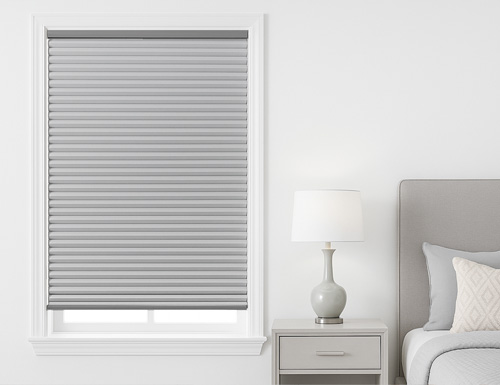
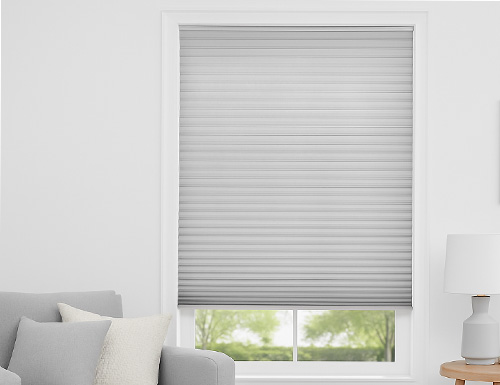
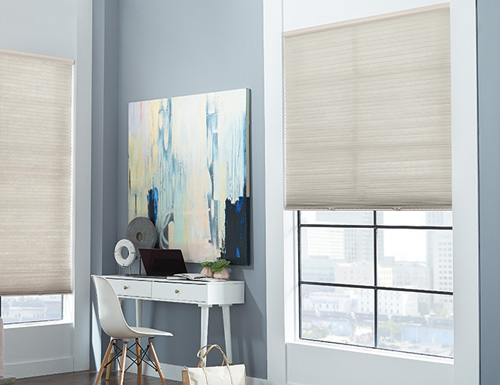
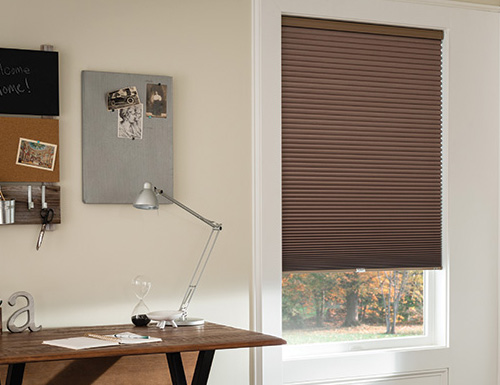

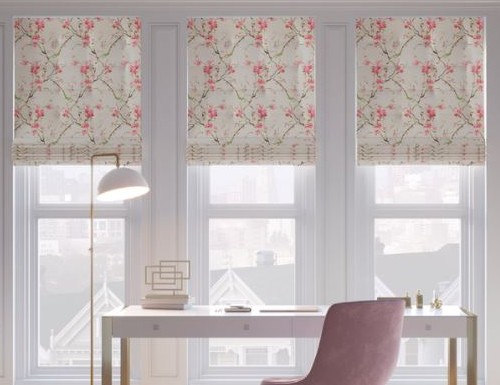
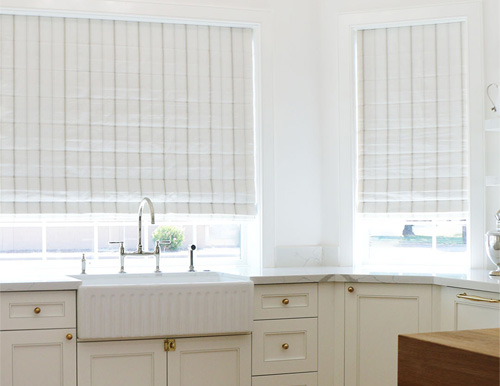
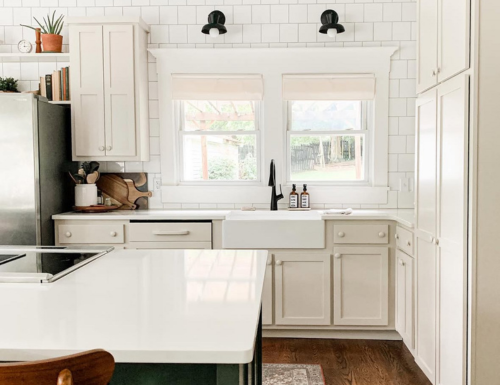
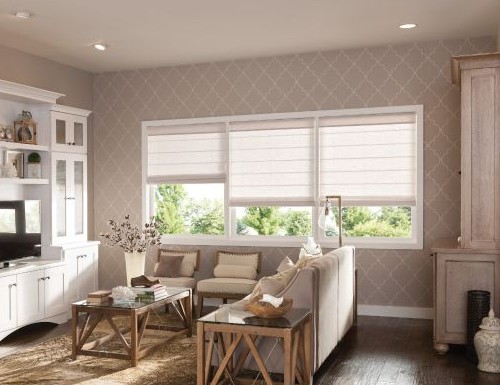
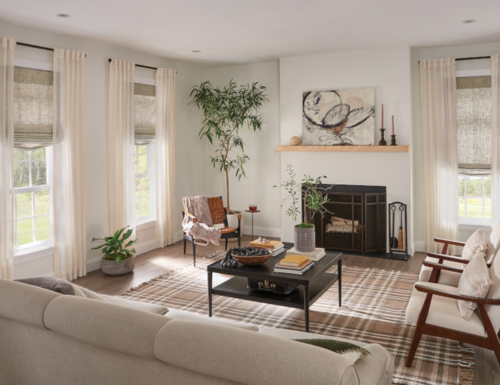
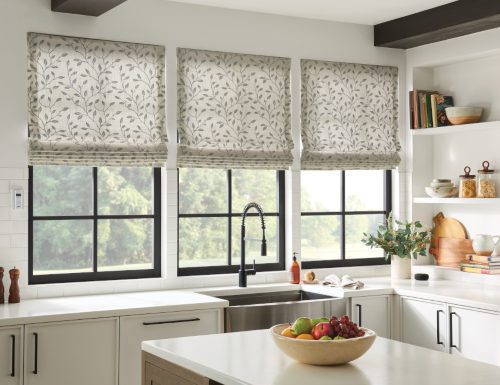
The best insulating window treatments create a barrier between the glass and your living space. Some products are specifically designed for insulation, while others provide added energy-saving benefits through material thickness, liners, or layered construction.
Browse our full selection of energy saving window treatments or use our window treatment energy savings calculator to estimate potential savings.
What Are Insulating Window Treatments?
Insulating window treatments are blinds, shades, shutters, or other window coverings designed to help reduce heat transfer through windows. They can help keep rooms cooler in summer and warmer in winter by adding an extra layer between the window and the room.
Insulating window coverings are especially helpful for older windows, large windows, west-facing windows, and rooms that feel hot or cold during certain times of the year.
Best Window Treatments for Insulation
| Window Treatment | Insulation Performance | Best For |
|---|---|---|
| Cellular Shades | Excellent | Energy savings and year-round comfort |
| Cellular Shades with Side Tracks | Outstanding | Maximum insulation and reduced air gaps |
| Shutters | Very Good | Durability and long-term value |
| Roman Shades | Good | Style with added fabric insulation |
| Bamboo Shades with Liners | Moderate to Good | Natural style with improved coverage |
| Wood Blinds | Moderate | Traditional appearance and light control |
1. Cellular Shades
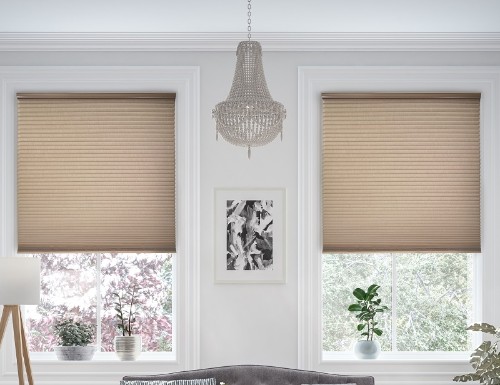
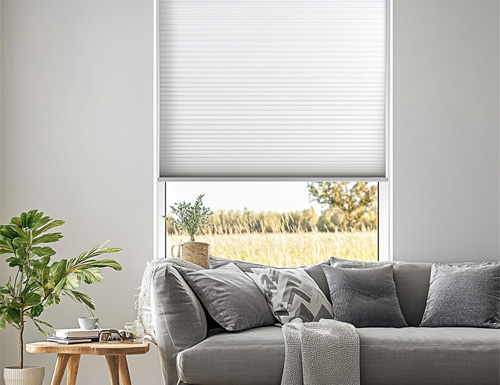
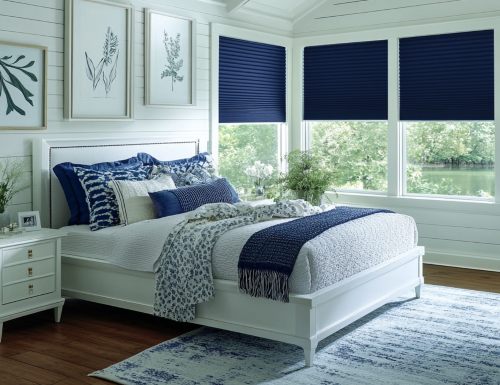
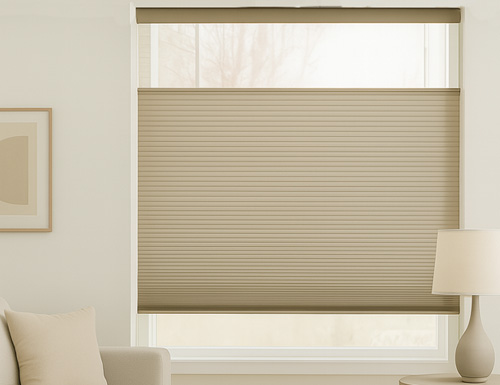
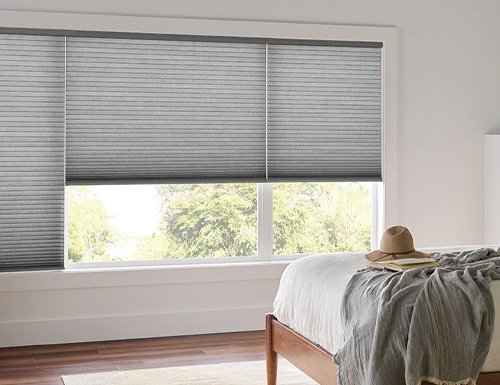
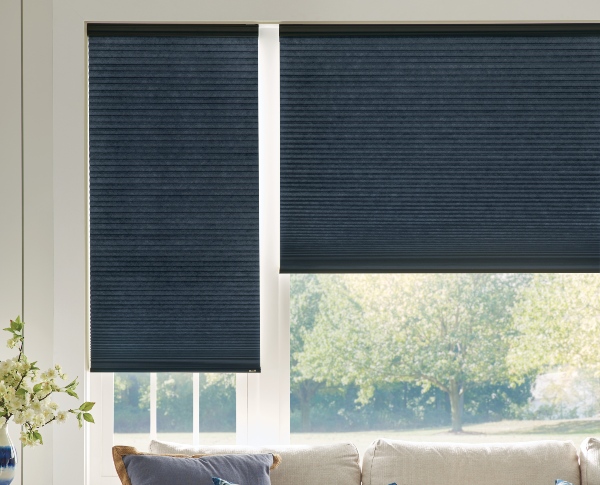
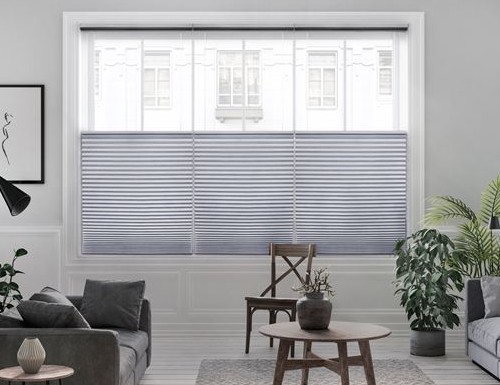
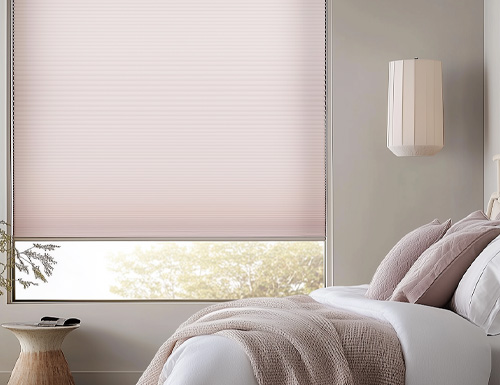
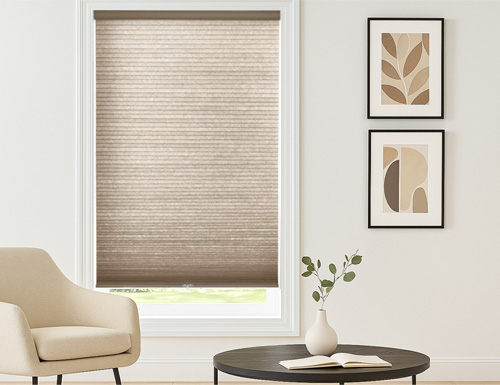
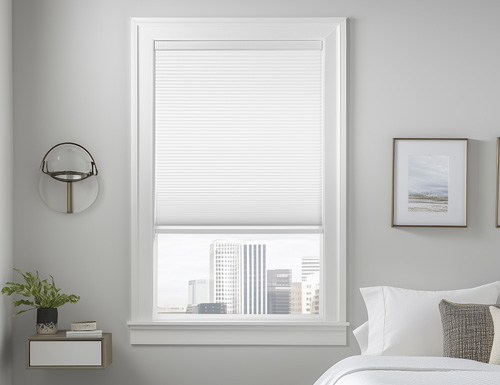
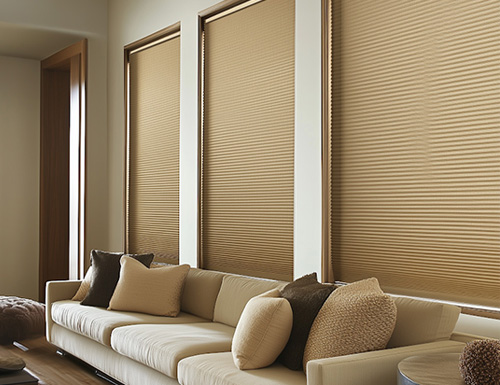
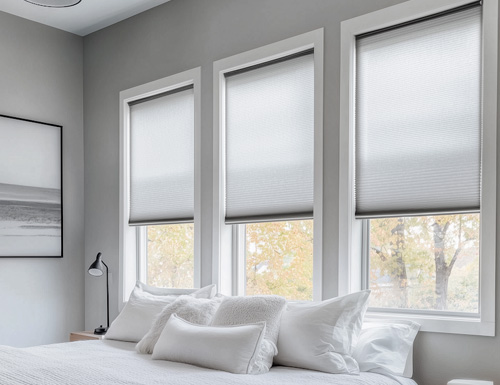
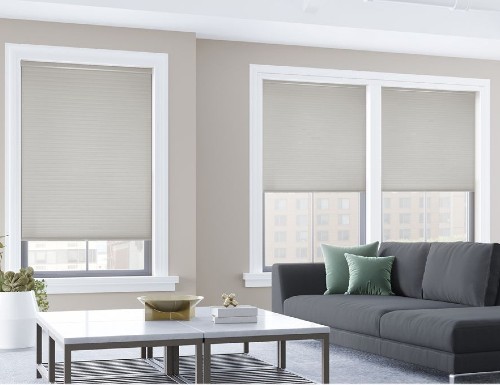
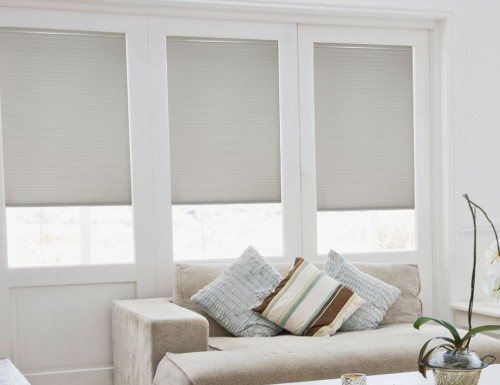
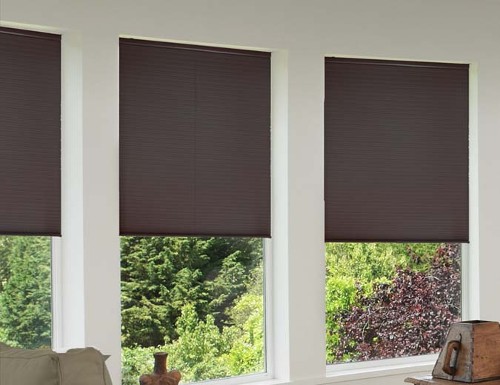
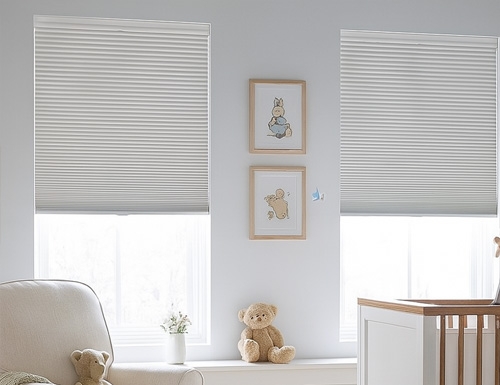
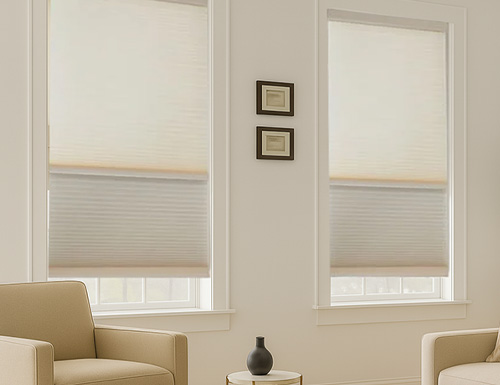
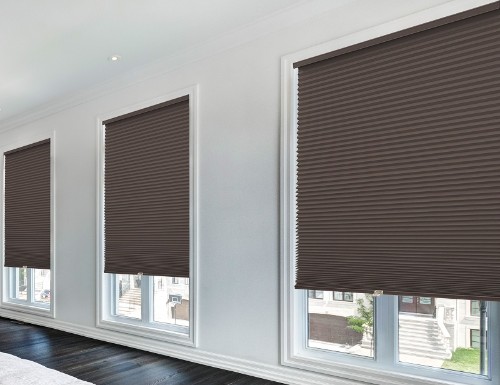
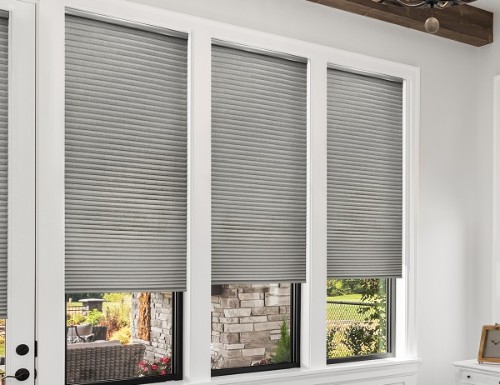
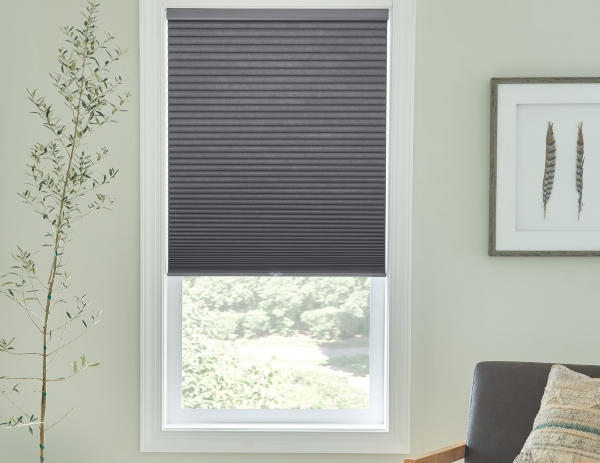
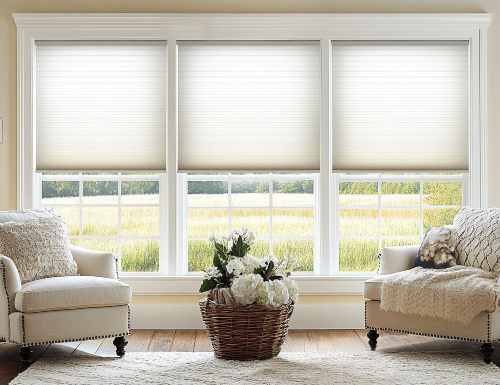
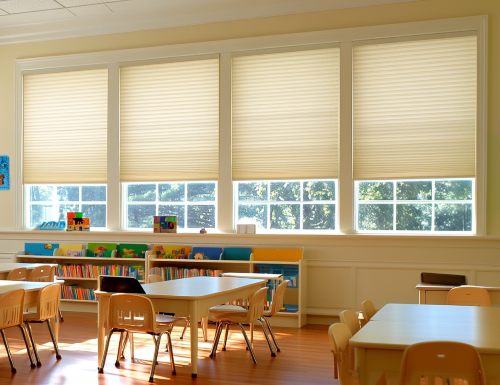
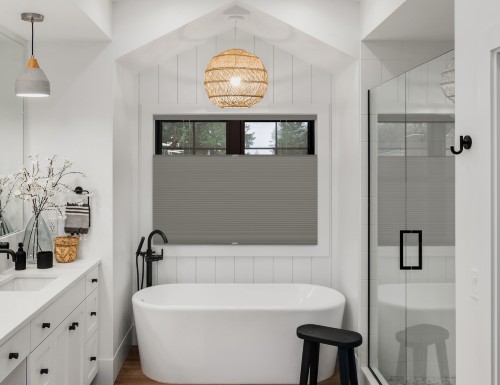
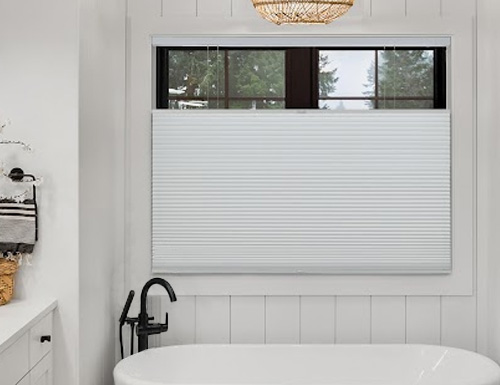
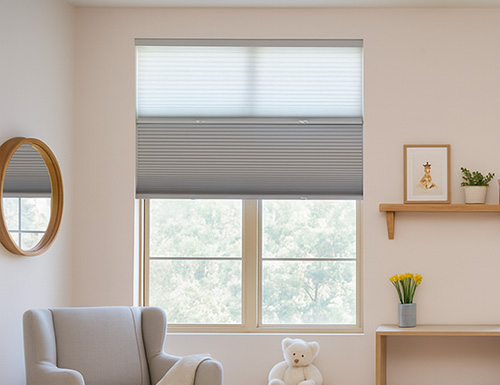
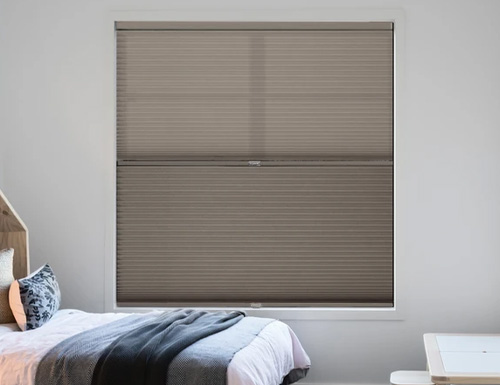
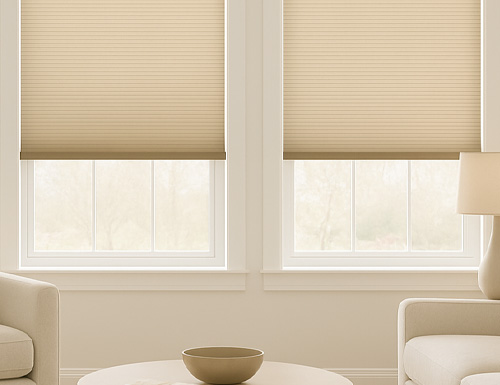
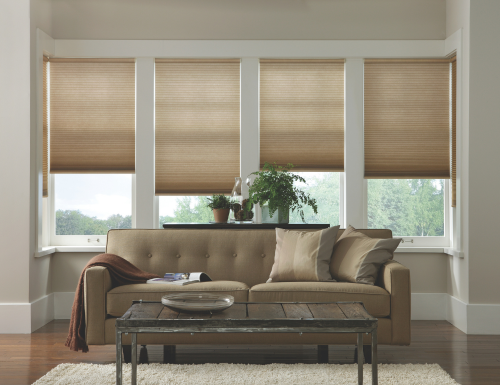
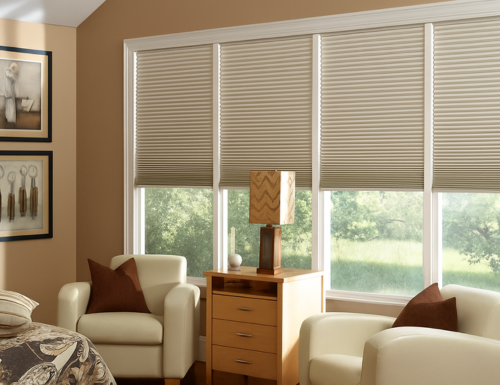
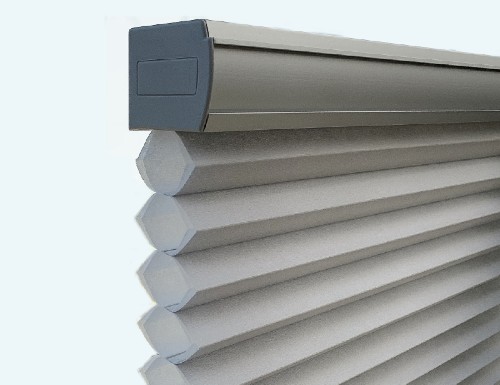
Cellular shades, also known as honeycomb shades, are one of the best insulating window treatments available. Their honeycomb-shaped cells trap air and help reduce heat transfer through the window.
Cellular shades are a strong choice for bedrooms, living rooms, sunrooms, and rooms with large or sunny windows.
- Excellent insulation
- Helps reduce heat gain and heat loss
- Available in light-filtering and blackout options
- Good for hot and cold climates
Learn more: Do Honeycomb Cellular Shades Save Energy?
2. Cellular Shades with Side Tracks
Cellular shades with side tracks provide even greater insulation by helping reduce air movement around the edges of the shade. The side tracks help seal the shade closer to the window opening, improving both light control and energy performance.
These are a strong option for rooms with extreme heat, cold drafts, or windows where maximum insulation is important.
3. Shutters
Shutters provide a durable, long-lasting window treatment option with solid panels that can help reduce heat transfer. While they do not trap air the same way cellular shades do, shutters can provide excellent coverage and long-term value.
Shutters are especially popular for homeowners who want a permanent-looking window treatment with classic style.
Related guide: Are blinds more energy efficient than shutters?
4. Roman Shades
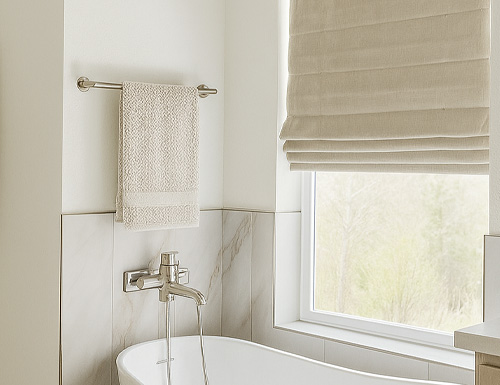
Roman shades use soft fabric folds that add style and some insulation to the window. When made with thicker fabrics or liners, Roman shades can help improve comfort and reduce sunlight entering the room.
Roman shades are a good choice when you want a balance of decorative fabric style and moderate energy efficiency.
5. Bamboo Shades with Liners
Bamboo shades provide a natural woven appearance and can offer improved insulation when paired with privacy or blackout liners. The liner adds an extra layer of coverage, which can improve light control and comfort.
Learn more: energy efficient bamboo shades
6. Wood Blinds
Wood blinds provide some insulation due to the natural thickness of the slats. They are not as energy efficient as cellular shades, but they can help reduce direct sunlight and improve comfort when fully closed.
Wood blinds are best for homeowners who want traditional style with adjustable light control.
Insulating Window Treatments for Arizona Heat
In hot climates such as Arizona, windows can be a major source of indoor heat gain. Insulating window treatments can help reduce heat entering the home, improve comfort, and reduce strain on cooling systems.
Cellular shades, solar shades, and lined window treatments are especially useful for sunny rooms and west-facing windows.
Read more: Best window treatments for Arizona heat
Do Insulated Window Treatments Reduce Noise?
Some insulating window treatments can also help reduce outside noise. Cellular shades, lined Roman shades, shutters, and other thicker window coverings may help absorb sound and reduce echo inside the room.
If noise reduction is one of your main goals, explore our noise reducing window treatments.
Insulating Window Treatments vs Standard Blinds
| Feature | Insulating Window Treatments | Standard Blinds |
|---|---|---|
| Energy Efficiency | Higher | Varies |
| Heat Reduction | Good to excellent | Moderate |
| Winter Insulation | Good to excellent | Limited to moderate |
| Light Control | Varies by product | Good with adjustable slats |
| Best Overall Insulation | Cellular shades | Not typically the top choice |
What to Look for in Insulating Window Treatments
- Cellular construction: Honeycomb cells help trap air and improve insulation.
- Double-cell design: Adds another layer of insulating air pockets.
- Side tracks: Help reduce air gaps around the shade.
- Blackout or privacy liners: Add another layer of coverage.
- Proper fit: Better measurements can improve coverage and performance.
Do Insulating Window Treatments Lower Energy Bills?
Insulating window treatments may help lower heating and cooling costs by reducing heat transfer through windows. Actual savings depend on your climate, window type, home insulation, shade style, and how often the coverings are used.
To estimate potential savings, try our energy savings calculator.
Best Rooms for Insulating Window Treatments
- Bedrooms
- Living rooms
- Sunrooms
- Home offices
- West-facing rooms
- Rooms with large windows
- Drafty rooms or older windows
Explore More Energy Saving Resources
- Energy efficient window treatments
- Window treatment energy savings calculator
- Energy savings information
- Do cellular window shades save energy?
- Energy efficient bamboo shades
- Window treatments for Arizona heat
Final Thoughts
The best insulating window treatments help reduce heat transfer, improve comfort, and support better energy efficiency. Cellular shades are often the top choice because of their honeycomb construction, while shutters, Roman shades, bamboo shades with liners, and wood blinds can also provide useful insulating benefits.
For the strongest insulation, choose window treatments that fit well, provide good window coverage, and match your climate and room needs.
Insulating Window Treatments FAQs
What is the most insulating window treatment?
Cellular shades are often considered the most insulating window treatment because their honeycomb cells trap air and help reduce heat transfer through windows.
Do insulated blinds really save energy?
Insulated blinds and shades may help save energy by reducing heat gain in summer and heat loss in winter. Actual savings depend on climate, window type, and product style.
Are cellular shades better than blinds for insulation?
Yes, cellular shades are generally better than standard blinds for insulation because their honeycomb cells create insulating air pockets.
What window treatments help reduce drafts?
Cellular shades, cellular shades with side tracks, shutters, and lined fabric shades can help reduce drafts and improve comfort near windows.
Which window treatments are best for hot climates?
Cellular shades, solar shades, and lined window treatments are strong choices for hot climates because they help reduce heat gain and improve indoor comfort.
Do insulated window treatments reduce outside noise?
Some insulating window treatments may help reduce outside noise, especially thicker shades, cellular shades, shutters, and lined fabric treatments.
* Production lead times are only an estimate and does not apply to any colors that are out of stock. Production begins the following business day after ordering. Please allow additional time for shipping.