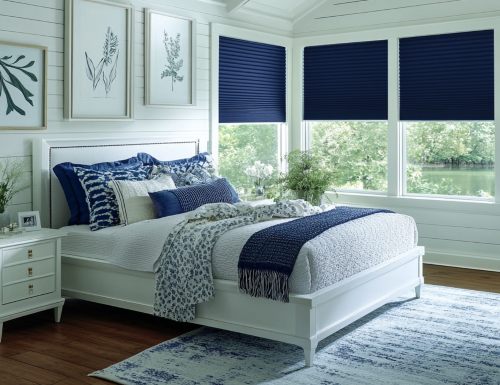







Browse our expert advice articles below to learn more about styles, features, and how they compare to other window treatments.
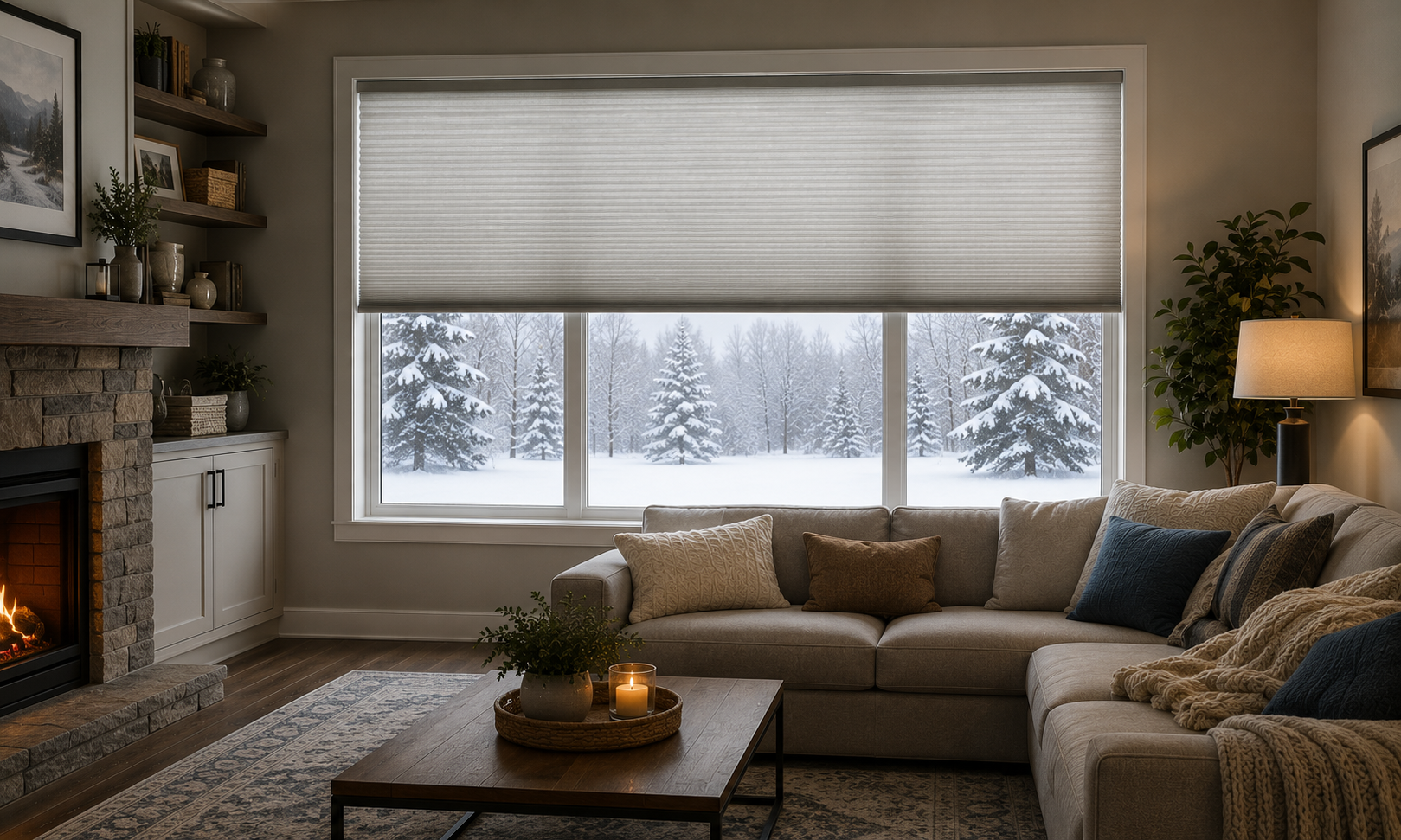
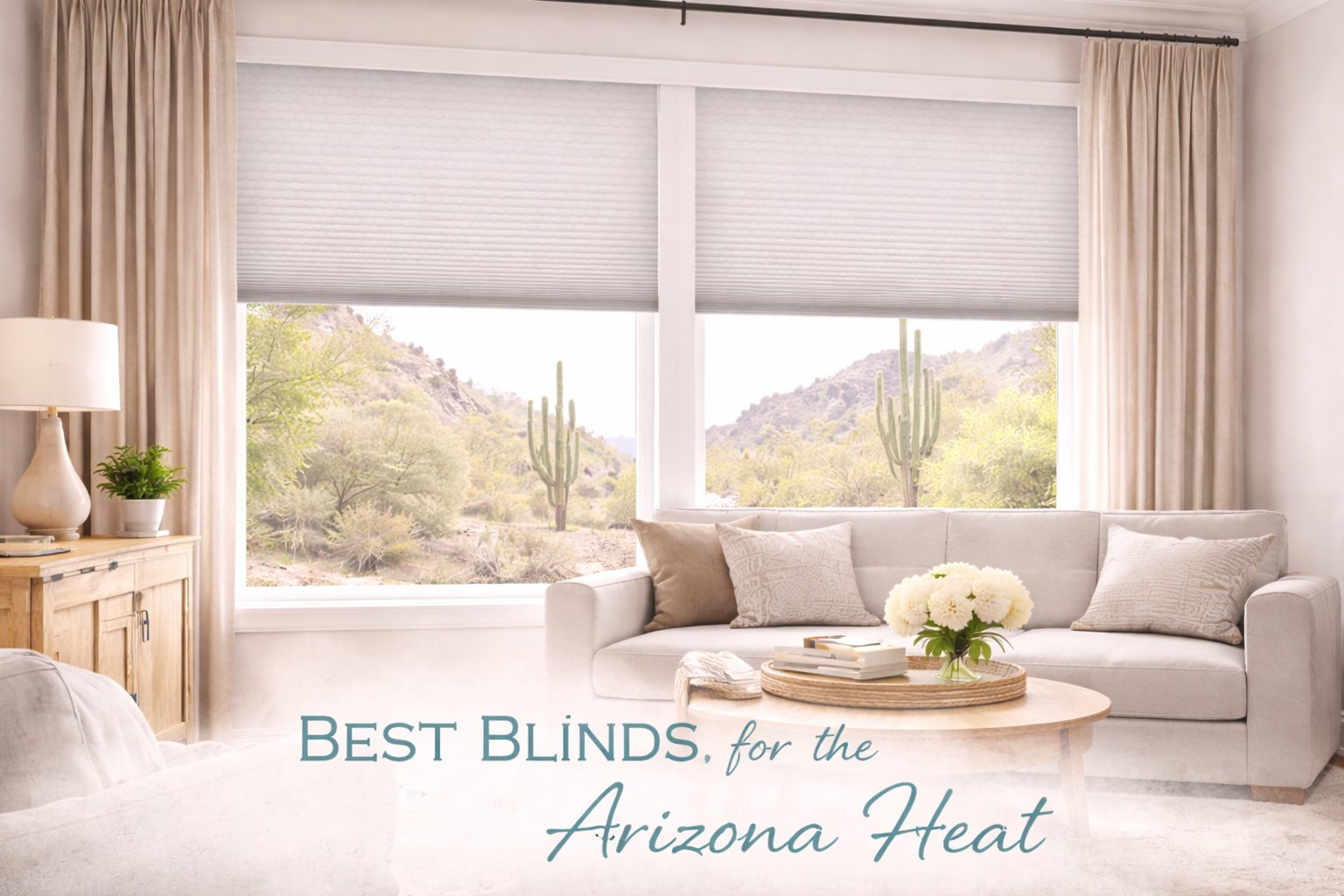
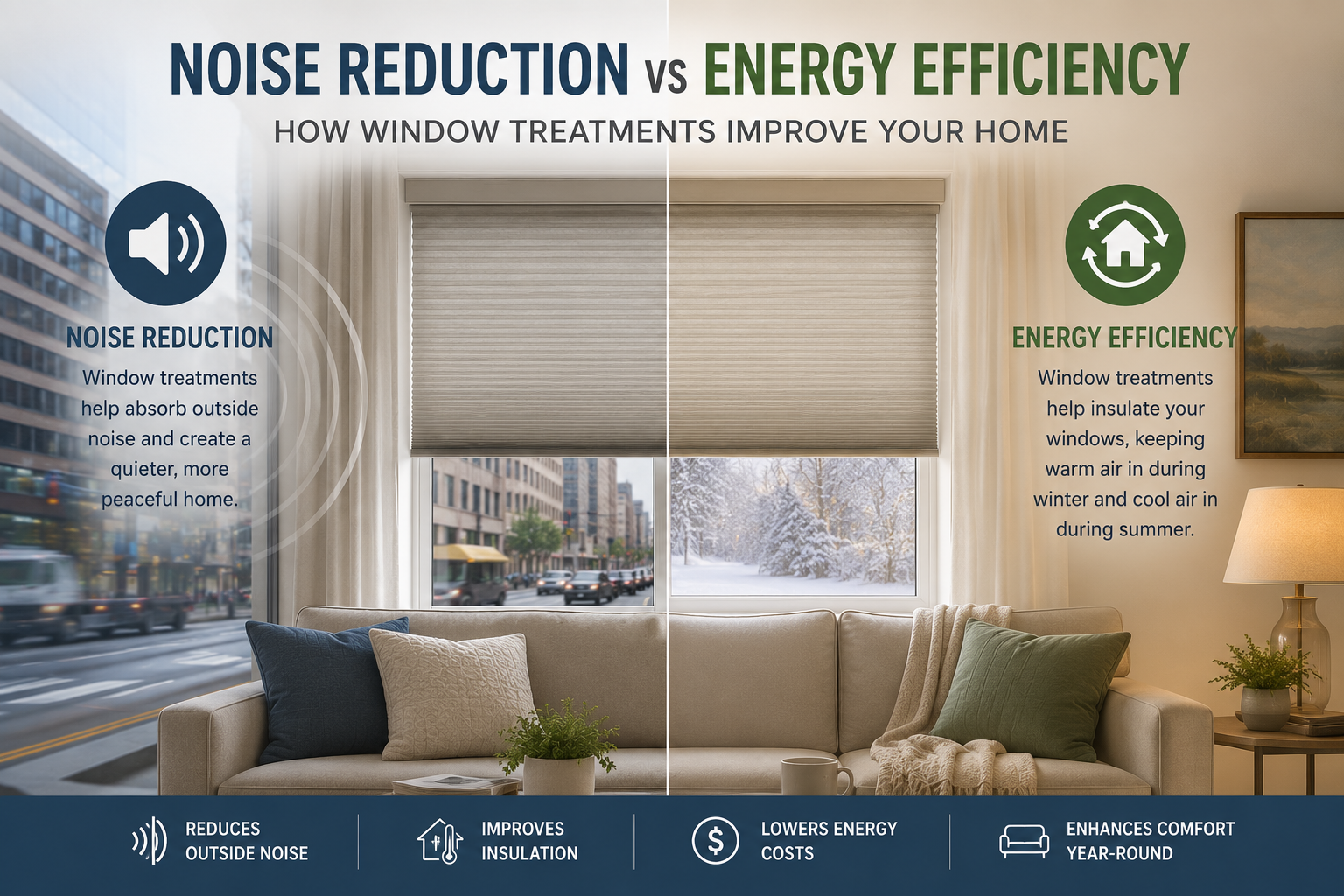
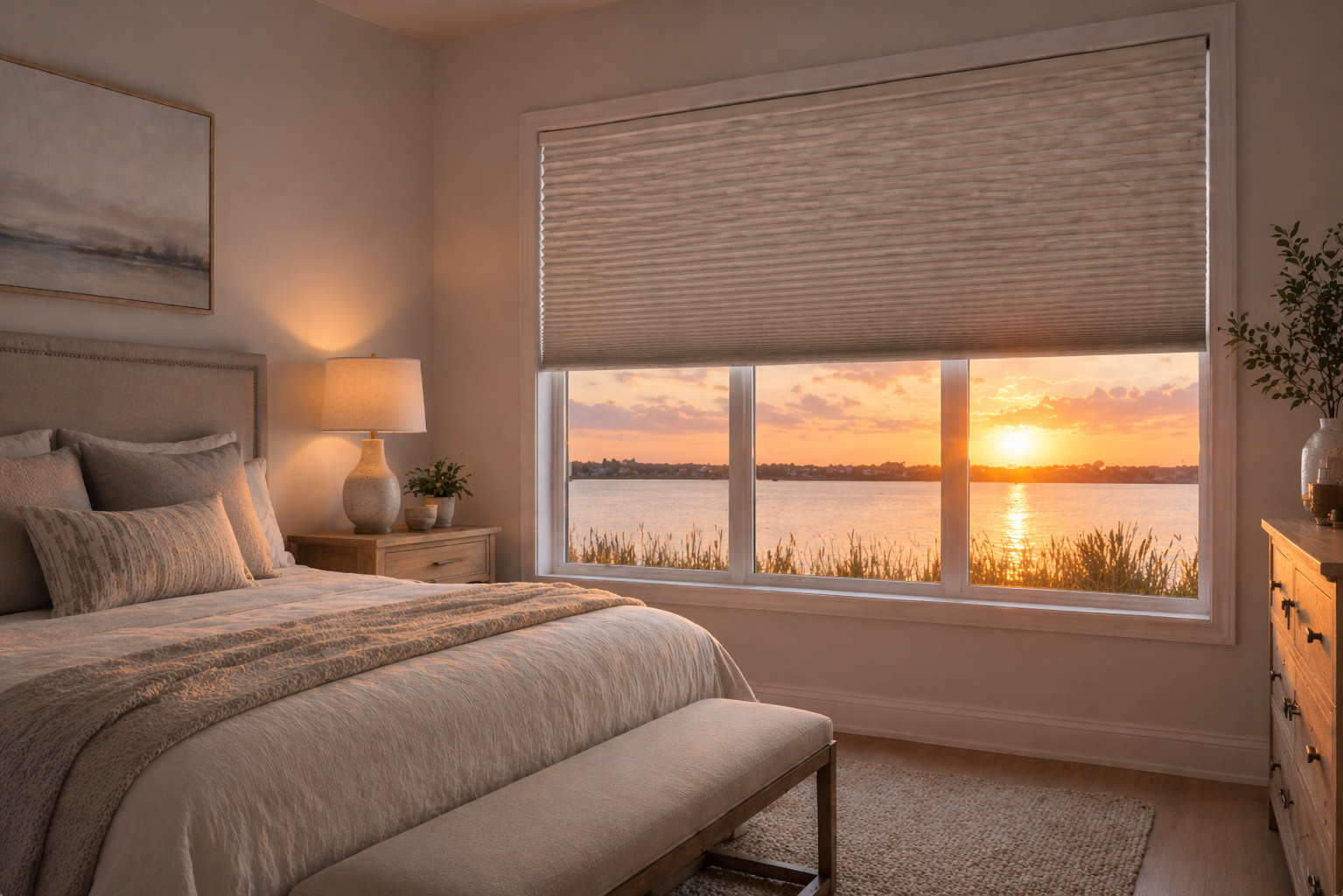
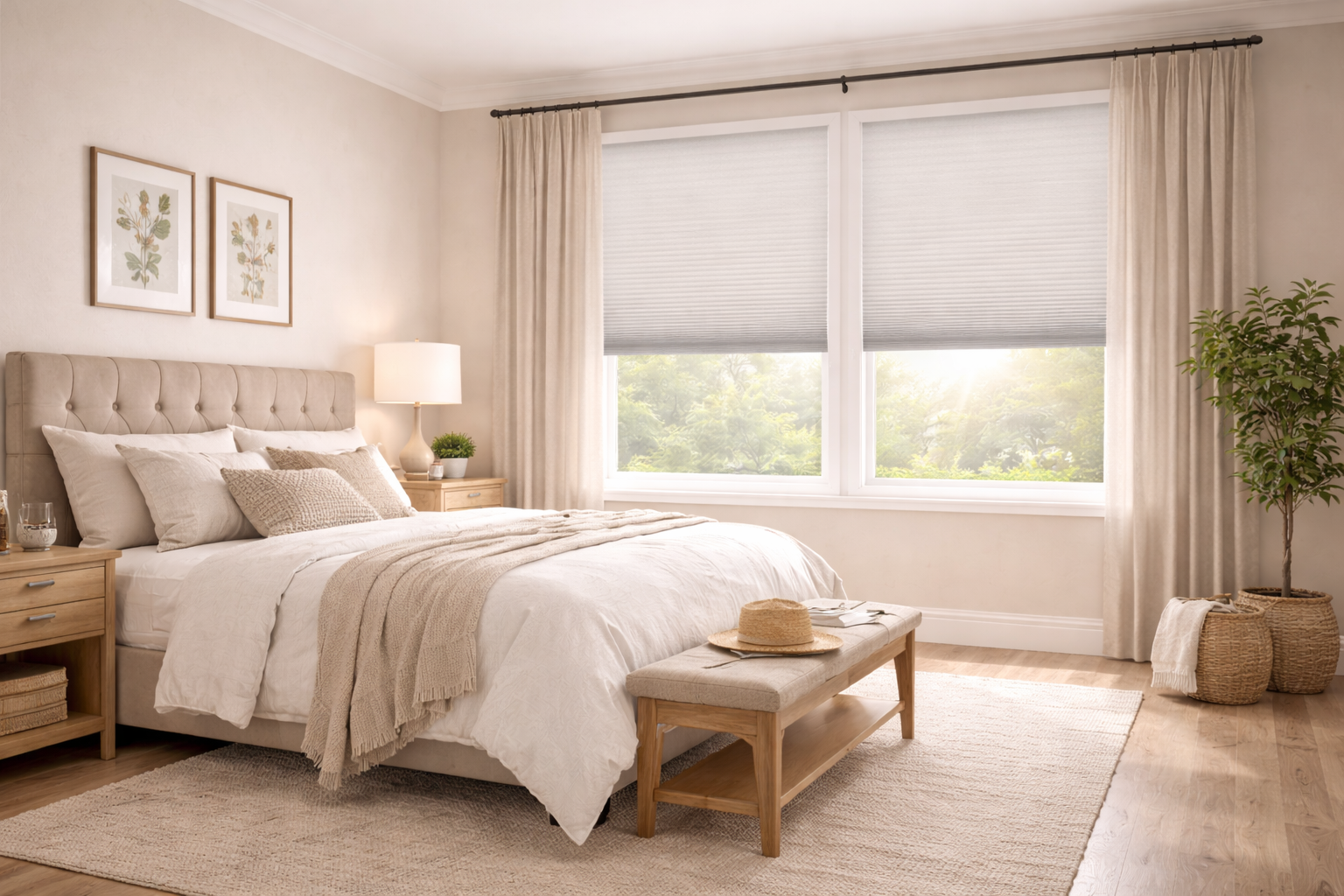
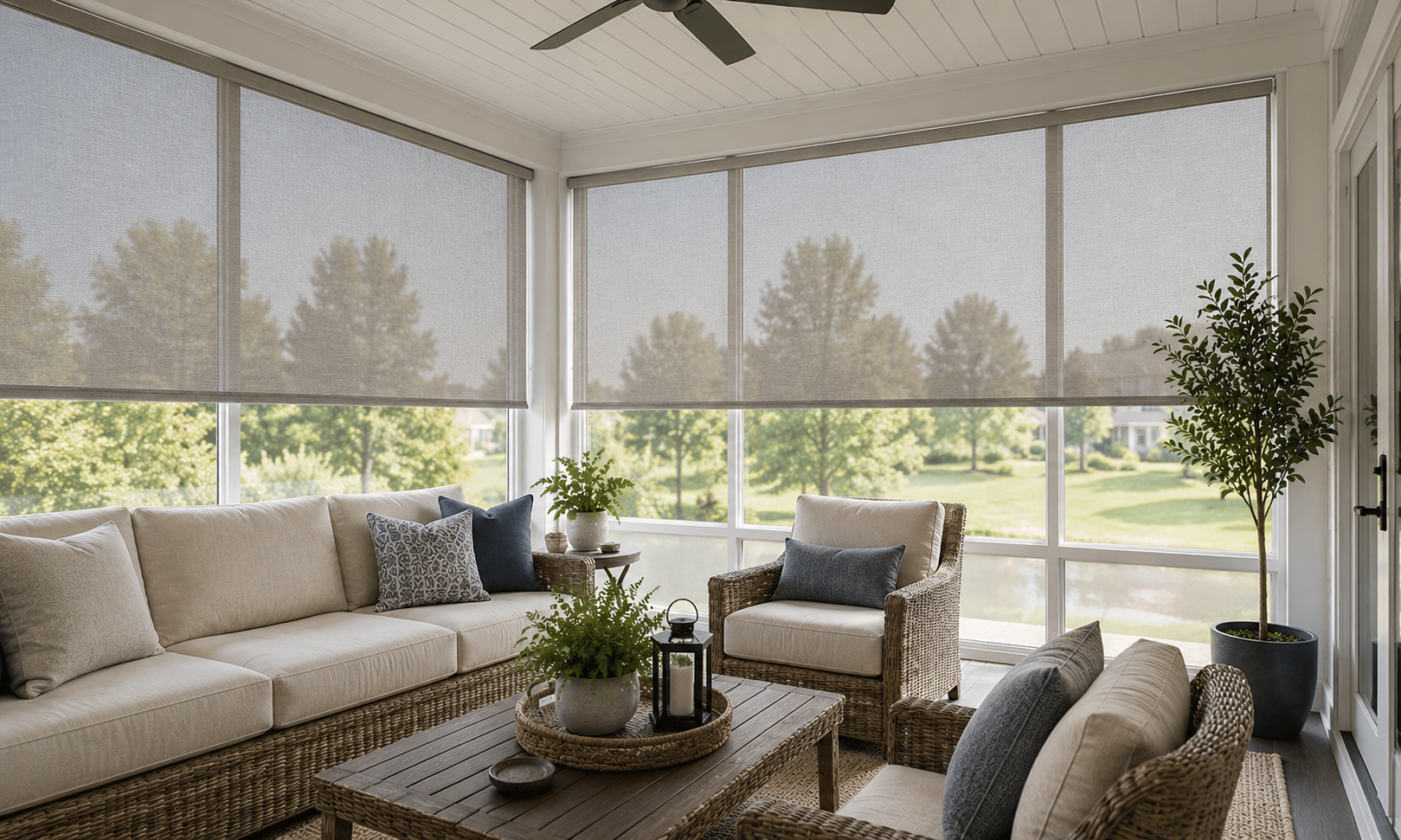
Our Energy-Efficient Window Treatment Resource Center brings together buying guides, product comparisons, room recommendations, and practical advice to help you understand how blinds, shades, shutters, and drapery affect window performance. Explore our complete selection of custom window blinds, custom window shades, and plantation shutters as you compare energy-saving options for your home.
Energy performance depends on more than the window treatment alone. Product construction, material, color, fit, mounting method, window type, climate, direction of exposure, and daily operation all influence the final result. These resources will help you select a solution based on your windows, rooms, and seasonal comfort needs. Shop our collection of Energy Efficient Window Shades.
New to Energy-Efficient Window Treatments? Start Here
Begin with our introductory guides to learn how window treatments can affect heat transfer, solar heat gain, insulation, glare, and indoor comfort. These articles explain why some products perform better in certain climates and why a window treatment must be closed at the appropriate time to provide its intended benefit.
You will also learn the difference between insulating a window during colder weather and blocking solar heat before it enters a room. Understanding both goals will make it easier to choose the right treatments for each side of your home.
How Window Treatments Improve Energy Efficiency
Window treatments can improve comfort in several ways. Insulating products help create an additional barrier between the room and the glass, while reflective or solar-control materials reduce the amount of direct sunlight entering the space. Adjustable treatments also allow you to take advantage of beneficial daylight and warmth when conditions are favorable.
For example, closing shades before intense afternoon sunlight reaches west-facing windows may reduce heat buildup. During cooler weather, closing insulating treatments at night can help limit heat loss through the window. The effectiveness of any strategy depends on the product, fit, window, climate, and how consistently the treatment is operated.
Best Window Treatments for Insulation
Honeycomb cellular shades are among the most popular insulating window treatments because their cell-shaped pockets trap air between the room and the window. Options may include single-cell, double-cell, light-filtering, and blackout fabrics, with performance varying by product construction and fit.
Roman shades, lined drapery, shutters, and layered window treatments may also improve comfort by adding material and reducing direct air movement near the glass. For the strongest performance, select a properly fitted product and close it during the periods when insulation is most beneficial.
Explore our Honeycomb Cellular Shade Resource Center or browse custom cellular shades for more information about cell sizes, fabrics, light control, and insulating options. Shop our best insulating window treatments.
Reducing Solar Heat Gain
Direct sunlight can quickly warm rooms with south- and west-facing windows, particularly during the afternoon. Solar shades, roller shades, blinds, shutters, and exterior shades can help manage this heat by reducing or redirecting the sunlight that enters the home.
Exterior shading can be especially effective because it intercepts sunlight before it reaches the glass. Interior treatments can also make a meaningful difference when selected and operated properly. Fabric color, openness, reflectivity, opacity, and window coverage all influence solar performance.
Solar Screen Shades for Heat and Glare Control
Solar screen shades are designed to reduce glare, solar heat, and UV exposure while preserving varying degrees of outdoor visibility. Their performance is affected by the fabric’s openness factor and color. Lower openness fabrics provide greater coverage, while higher openness fabrics preserve more of the view.
Dark solar fabrics often provide clearer daytime views and strong glare control, while lighter fabrics may reflect more sunlight toward the exterior. Because solar shades can allow visibility into a room at night, they may need to be paired with another treatment where dependable nighttime privacy is required.
Visit our Solar Screen Shade Resource Center or shop custom solar shades to compare openness factors and fabric options.
Exterior Shades for Outdoor Heat Control
Exterior porch and patio shades help reduce sunlight before it reaches windows, doors, or outdoor living areas. They can make covered patios more comfortable, reduce glare, protect furnishings from UV exposure, and limit the amount of solar heat reaching adjacent interior spaces.
Fabric openness, mounting location, wind exposure, shade color, and side-retention systems all affect performance. Exterior products should also be selected with weather resistance and safe operation in mind.
Explore our Exterior Porch Shade Resource Center to learn more about outdoor fabrics, openness factors, wind considerations, and motorized operation. Shop our shades for outdoor spaces.
Light-Filtering vs Room-Darkening vs Blackout
Fabric opacity affects both light control and energy performance. Light-filtering materials soften sunlight and brighten a room while providing varying levels of privacy. Room-darkening materials substantially reduce incoming light, while blackout materials are designed to prevent light from passing through the fabric.
A darker room is not automatically a more energy-efficient room. Fabric construction, exterior-facing color, reflective backing, fit, and installation may be just as important as opacity. Light may also enter around the edges of an inside-mounted shade even when the material itself is blackout.
Visit our Privacy and Light Control Resource Center for detailed guidance about opacity, privacy, glare, view-through, and room-darkening performance. Shop blackout window shades.
Energy-Efficient Window Treatments by Product Type
Different products contribute to comfort in different ways. Some emphasize insulation, while others provide adjustable sunlight control or reflective solar protection. The most appropriate choice depends on your climate, window orientation, privacy needs, decorating style, and budget.
- Honeycomb Cellular Shades provide insulating air pockets and are available in light-filtering and blackout fabrics.
- Solar Screen Shades reduce glare, UV exposure, and solar heat while preserving some outdoor visibility.
- Roller Shades offer simple coverage with a wide selection of light-filtering, reflective, room-darkening, and blackout fabrics.
- Roman Shades add decorative fabric coverage and may be available with privacy or blackout linings.
- Wood Blinds provide adjustable slats that can redirect sunlight and reduce direct glare.
- Faux Wood Blinds offer adjustable light control with durable, moisture-resistant materials.
- Plantation Shutters use adjustable louvers and solid frames to manage sunlight, airflow, and privacy.
- Custom Drapery Panels can add insulation and coverage, particularly when lined and extended beyond the window opening.
Cellular Shades and R-Value
R-value is a measure used to describe resistance to heat flow. Some cellular shade manufacturers publish R-value information for specific products or product-and-window combinations. These figures can be useful when comparing options, but they should be interpreted carefully because actual performance varies with the window, installation, shade construction, side gaps, and testing method.
A shade’s published value should not be treated as the R-value of an entire wall or as a guarantee of a specific reduction in utility costs. Use performance information as one factor alongside fit, fabric, operation, privacy, and light-control needs.
Window Orientation and Sun Exposure
The direction a window faces can influence which treatment performs best. East-facing windows receive stronger morning sunlight, while west-facing windows often experience intense afternoon heat and glare. South-facing windows may receive substantial sunlight throughout the day, depending on the season and surrounding structures. North-facing windows generally receive softer indirect light.
West- and south-facing rooms may benefit from solar-control fabrics, reflective backings, exterior shades, or automated schedules. Bedrooms with east-facing windows may require stronger morning light control. Evaluating each exposure separately can produce better results than using the same product throughout the entire home.
Energy-Efficient Window Treatments for Hot Climates
Homes in hot, sunny climates often prioritize reducing solar heat gain and glare. Solar shades, reflective roller fabrics, cellular shades, shutters, and exterior porch shades can all contribute to a more comfortable interior when used appropriately.
Closing treatments before direct sunlight reaches the glass can be more effective than waiting until the room has already heated. Light-colored exterior-facing surfaces and products that cover the window thoroughly may also help reduce absorbed heat.
Energy-Efficient Window Treatments for Cold Climates
In colder climates, the goal often shifts toward limiting heat loss through windows, especially overnight. Cellular shades, lined Roman shades, shutters, and insulated drapery can add layers between the room and the glass.
Treatments should generally be opened when beneficial sunlight can warm the room and closed when outdoor temperatures fall. Condensation should also be monitored because tightly closed insulating treatments can reduce airflow near cold glass.
Best Window Treatments for Bedrooms
Bedroom window treatments may need to balance insulation, nighttime privacy, morning light control, and a comfortable sleep environment. Cellular shades provide insulation, while blackout roller and Roman shades offer strong light reduction. Drapery can add another insulating layer and help cover light gaps around the primary treatment.
Cordless and motorized options can improve convenience, especially on wide windows or in children’s rooms. The best choice depends on whether your primary concern is temperature, darkness, privacy, or a combination of all three. Shop Window Shades for Bedrooms.
Best Window Treatments for Living Rooms
Living rooms often benefit from treatments that reduce glare and heat without eliminating natural light or outdoor views. Solar shades, sheer shades, adjustable blinds, shutters, and light-filtering cellular shades provide different balances of daylight, privacy, and comfort.
Consider television placement, furniture fading, window direction, and nighttime privacy when selecting the product. Layering a functional shade with drapery can provide greater flexibility throughout the day. Shop Window Shades for Living Rooms.
Best Window Treatments for Large Windows and Patio Doors
Large windows and glass doors can admit substantial sunlight and may require products designed to cover wider openings. Vertical blinds, panel track blinds, roller shades, solar shades, cellular shades, and drapery each offer different benefits for large expanses of glass.
Product weight, stacking space, access to the door, mounting surface, and motorization should all be considered. Dividing a wide opening into multiple treatments may make operation easier and provide more flexible control.
Inside Mount vs Outside Mount
Inside-mounted treatments provide a clean appearance but may have small clearances along the edges. These gaps can reduce room-darkening and insulating performance. Outside-mounted treatments overlap the window opening and may provide broader coverage when sufficient wall space is available.
Neither method is automatically best for every product. Window depth, trim, obstructions, operating hardware, and desired appearance must also be considered. Accurate measuring and proper installation are essential for dependable performance.
Layering Window Treatments for Energy Efficiency
Layering can combine the strengths of two different products. A cellular or roller shade may provide primary light control, while drapery adds side coverage, softness, and another layer of insulation. Solar shades may be paired with opaque curtains to provide daytime glare reduction and nighttime privacy.
Layered treatments should be planned so each product can operate freely. Adequate mounting depth, rod projection, stacking space, and access to controls are important.
Motorized Shades and Seasonal Scheduling
Motorized window treatments make it easier to operate tall windows, large shades, and groups of treatments consistently. Remote or wall controls can help homeowners adjust shades before direct sunlight enters a room rather than leaving them in one position all day.
For information about motors, batteries, charging, hardwiring, and remote operation, visit our Motorized Window Treatment Resource Center. Shop our selection of motorized window treatments.
Smart Shades for Automated Energy Management
Compatible smart shades may support schedules, scenes, apps, sensors, or integration with thermostats and other connected devices. For example, shades may be scheduled to close before strong afternoon sunlight or open when beneficial morning light is desired.
Automation can improve consistency, but the actual energy benefit depends on the product, window, climate, schedule, and control strategy. Confirm that the exact motor, bridge, hub, and platform support the features you intend to use.
Explore our Smart Home Window Treatment Resource Center for guidance about apps, hubs, compatibility, voice assistants, schedules, and connected-home planning. Shop our smart home automated window treatments.
Measuring and Installation
A high-performing material may not deliver the expected result if the product is measured or installed incorrectly. Excessive gaps, inadequate overlap, unlevel brackets, and interference with trim or handles can affect coverage and operation.
Measure each window individually and follow the instructions for the specific product. For outside mounts, confirm that enough flat mounting space is available. Hardwired motorized treatments should be coordinated with the installer and electrician before construction finishes are completed.
Can Window Treatments Lower Energy Bills?
Window treatments may help reduce heating and cooling demands by managing solar heat and limiting heat transfer through windows. However, the amount saved varies widely based on climate, window condition, home construction, product selection, installation, daily use, thermostat settings, and local energy costs.
Avoid relying on a window treatment alone to solve major efficiency problems. Air sealing, appropriate insulation, efficient glazing, HVAC maintenance, and other home improvements may also be necessary. Window treatments are best viewed as one part of a broader comfort and energy-management strategy.
Related Energy-Efficient Window Treatment Resources
Continue exploring these resources to compare insulation, solar control, light management, motorization, and product-specific options.
- Honeycomb Cellular Shade Resource Center
- Solar Screen Shade Resource Center
- Exterior Porch Shade Resource Center
- Privacy and Light Control Resource Center
- Motorized Window Treatment Resource Center
- Smart Home Window Treatment Resource Center
- Window Shade Resource Center
- Window Blind Resource Center
- Shop Custom Window Shades
- Shop Custom Window Blinds
- Shop Plantation Shutters
Energy-Efficient Window Treatment FAQs
Which window treatments are the most energy efficient?
Honeycomb cellular shades are a popular insulating option because their cells trap air between the room and the window. Solar shades, shutters, lined Roman shades, exterior shades, and layered drapery may also improve comfort depending on whether the goal is insulation, solar heat reduction, or both.
Do blinds and shades help reduce energy costs?
Blinds and shades may reduce heating and cooling demands by limiting solar heat gain and heat transfer through windows. Actual savings depend on the product, fit, window, climate, home construction, daily operation, and energy costs.
Are cellular shades good for insulation?
Yes. Cellular shades contain air pockets that add an insulating layer at the window. Performance varies by cell construction, fabric, fit, mounting method, window type, and whether the shade is fully closed.
Are solar shades energy efficient?
Solar shades can help reduce glare, UV exposure, and solar heat entering through a window. Their effectiveness depends on fabric openness, color, reflectivity, fit, window direction, and sun exposure.
Do blackout shades keep heat out?
Blackout shades may reduce some solar heat, but blackout describes how the material controls light rather than guaranteeing a specific level of thermal performance. Fabric construction, backing, color, fit, and installation also affect heat control.
Are outside-mounted shades more energy efficient?
An outside mount may provide greater overlap around the window and reduce some edge gaps. However, performance depends on the product, amount of overlap, window construction, mounting surface, and how closely the treatment fits against the opening.
Should shades be open or closed during hot weather?
Shades are generally most useful for heat control when closed before strong direct sunlight enters the window. Windows that are not receiving direct sun may be left open when natural light or outdoor views are preferred.
Should shades be open or closed during cold weather?
Opening shades during beneficial sunlight may help warm a room, while closing insulating treatments at night may reduce heat loss. Monitor condensation and allow airflow when moisture collects on cold glass.
Can motorized shades improve energy efficiency?
Motorized shades can make consistent operation easier, particularly on tall windows or groups of shades. The benefit comes from operating the treatment at useful times rather than from the motor itself.
Can smart shades adjust automatically for sunlight?
Some compatible smart shade systems support schedules, scenes, sensors, or integrations that adjust shades at selected times or in response to connected devices. Available features depend on the motor, hub, app, accessories, and smart home platform.
Do drapes help insulate windows?
Lined drapery can add another layer between the room and the glass, especially when panels extend beyond the sides and top of the window. Performance depends on fabric, lining, fullness, coverage, and how closely the drapery fits around the opening.
What should I consider when choosing energy-efficient window treatments?
Consider your climate, window orientation, glass type, primary season of concern, privacy needs, desired natural light, product fit, mounting method, operating system, and budget. Different rooms may require different solutions.
Improve Comfort with the Right Window Treatments
The best energy-efficient window treatment is the one that addresses the conditions at a specific window. Cellular shades may improve insulation, solar shades can manage glare and solar heat, exterior shades can intercept sunlight before it reaches the glass, and layered treatments can provide flexible seasonal performance.
Compare products based on your climate, window direction, privacy requirements, decorating preferences, and how you plan to operate them throughout the day.
Shop Custom Window Shades
Shop Custom Window Blinds
Shop Plantation Shutters