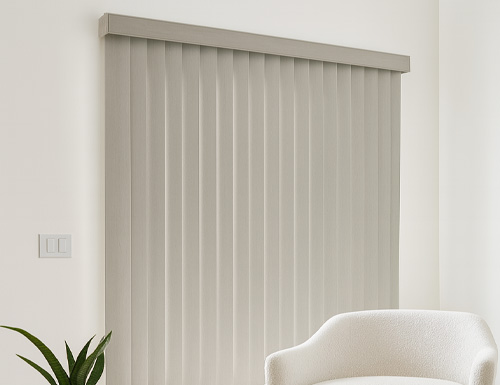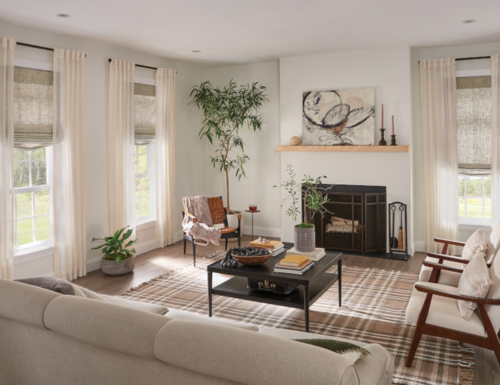







Browse our expert advice articles below to learn more about styles, features, and how they compare to other window treatments.
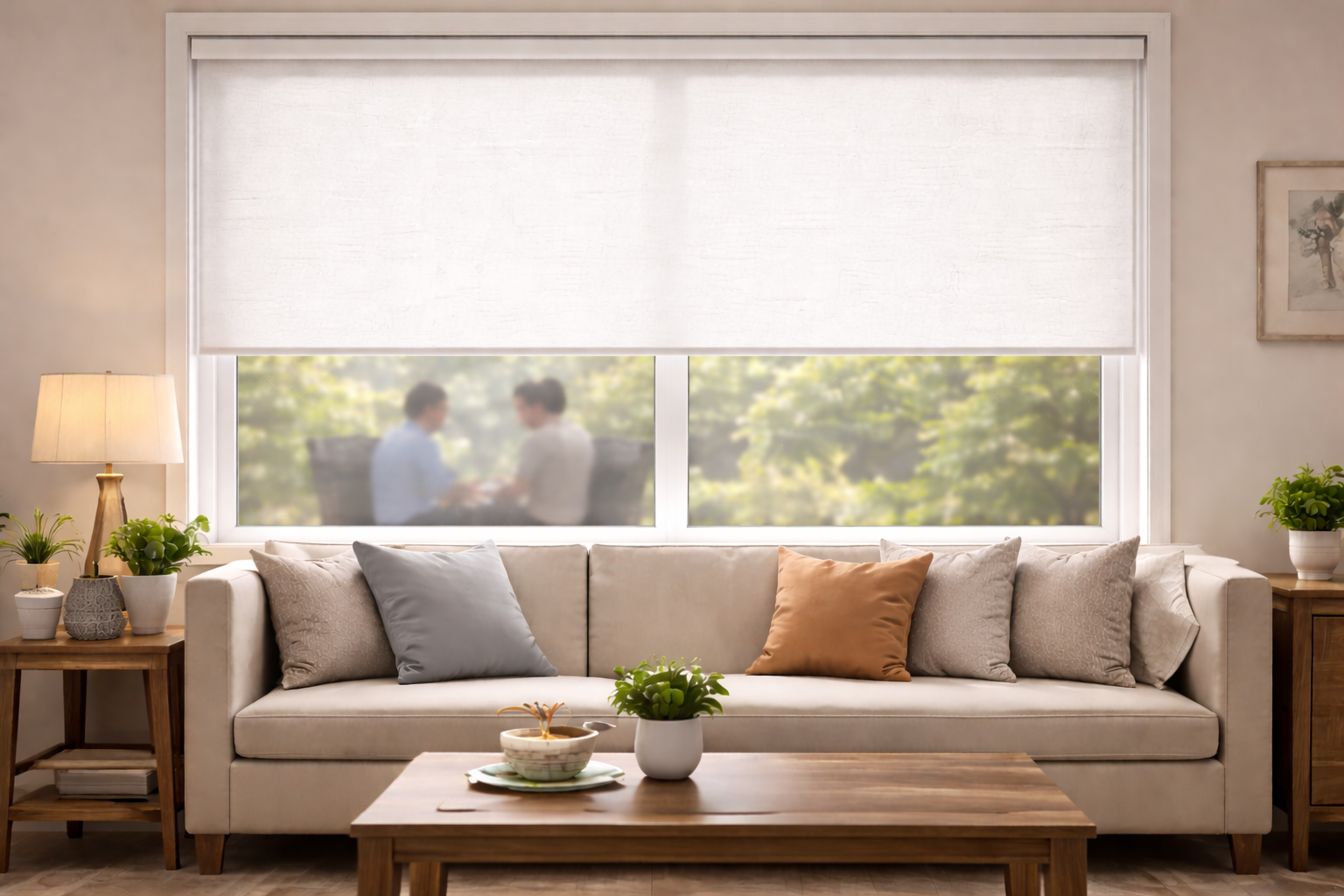
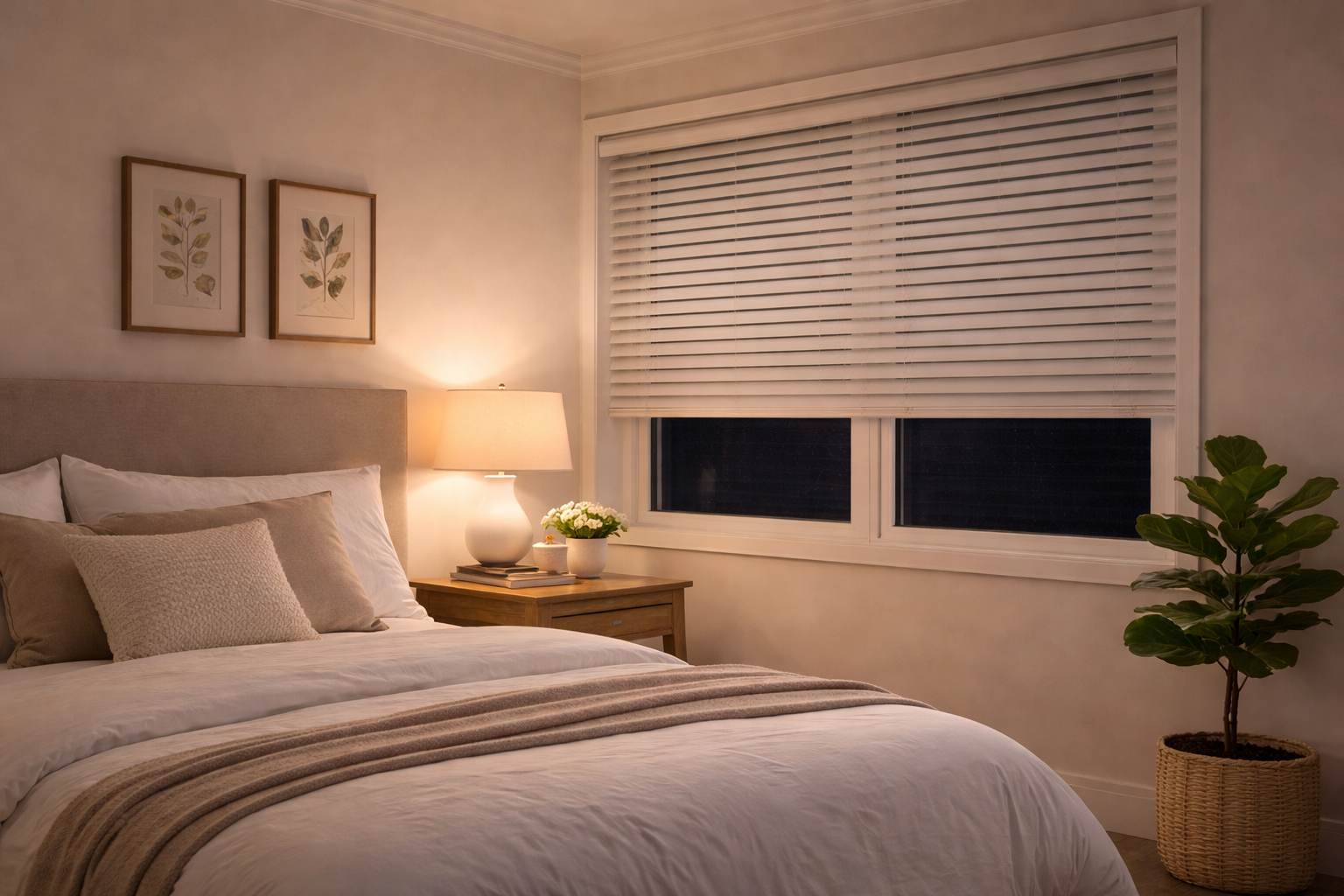
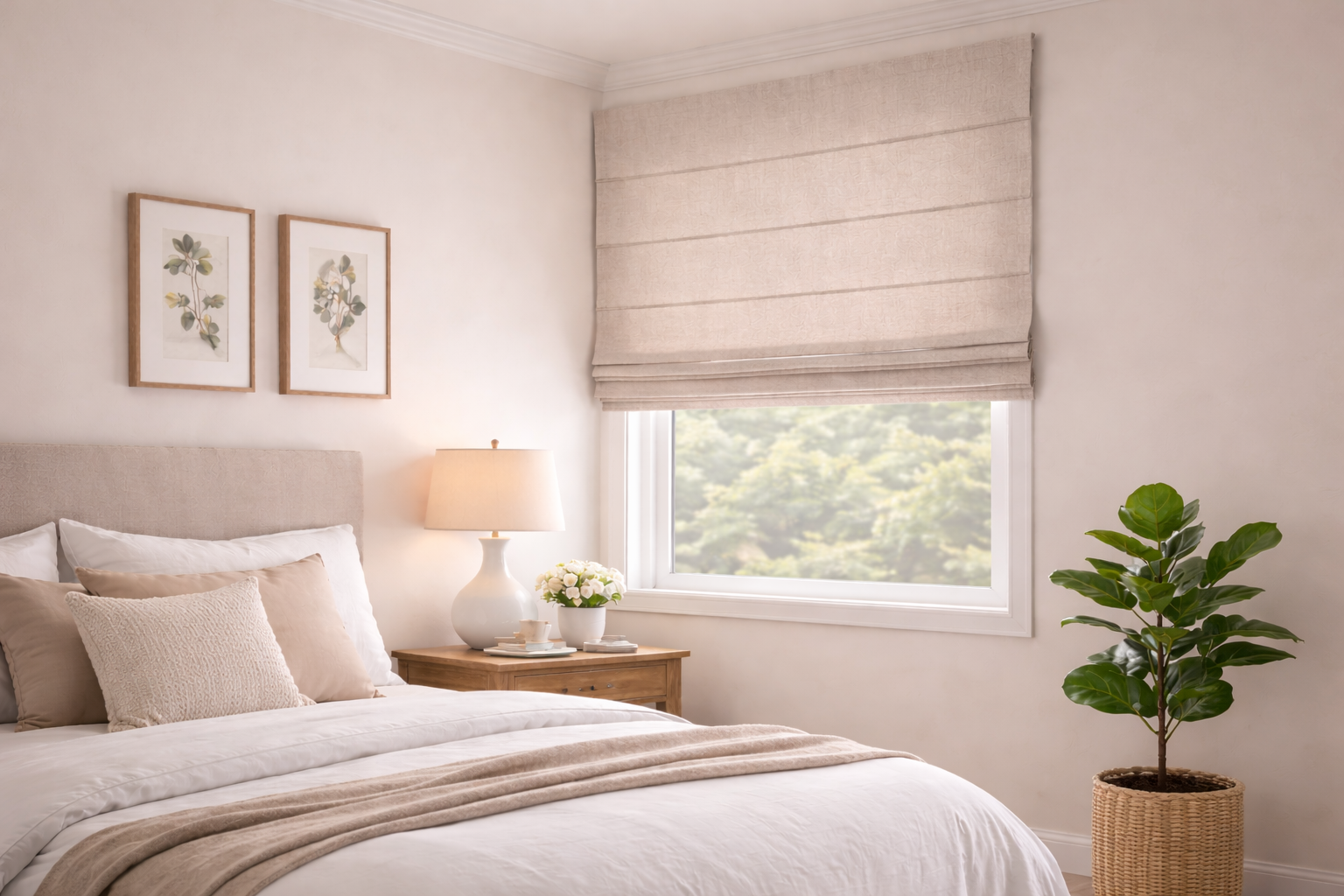
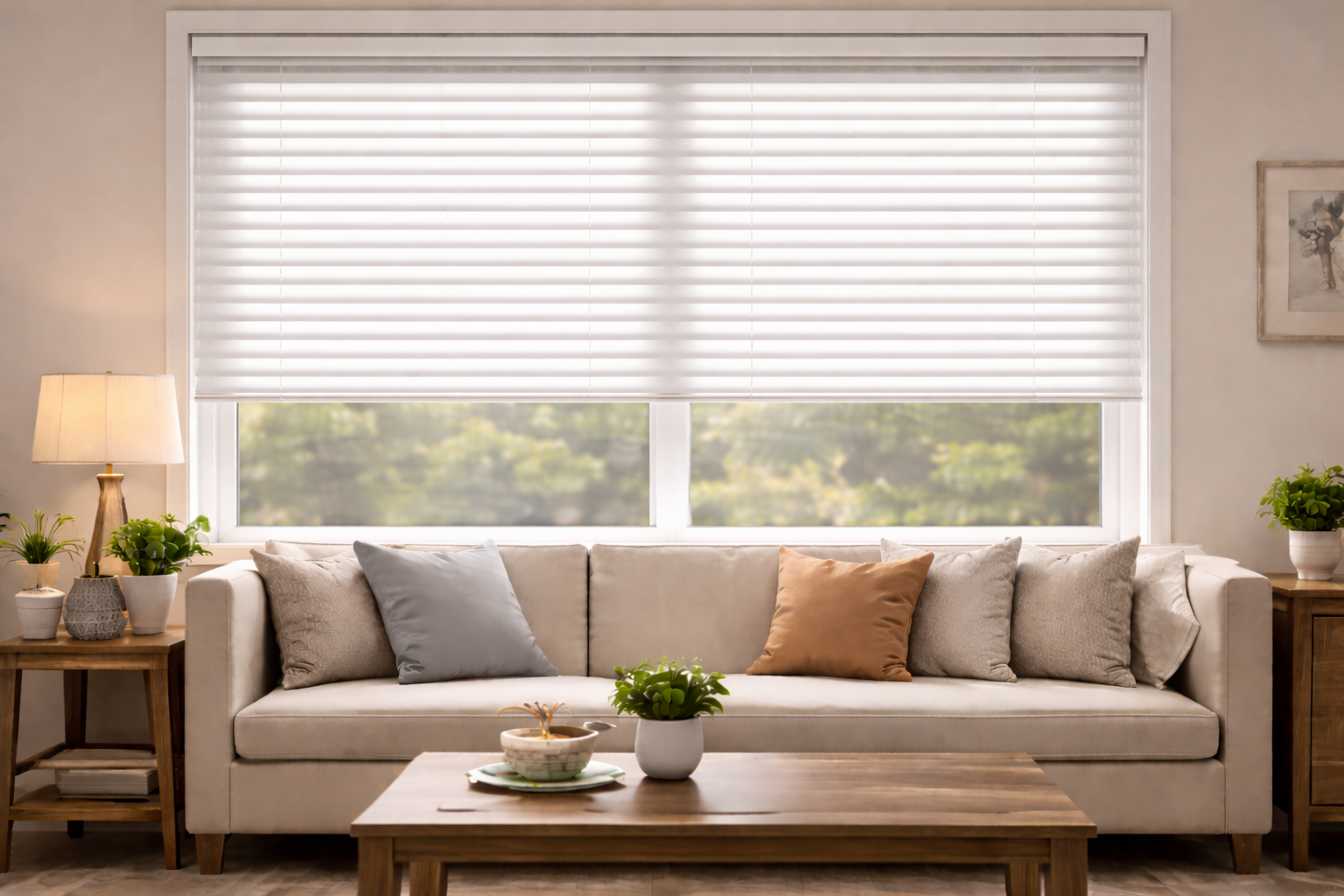
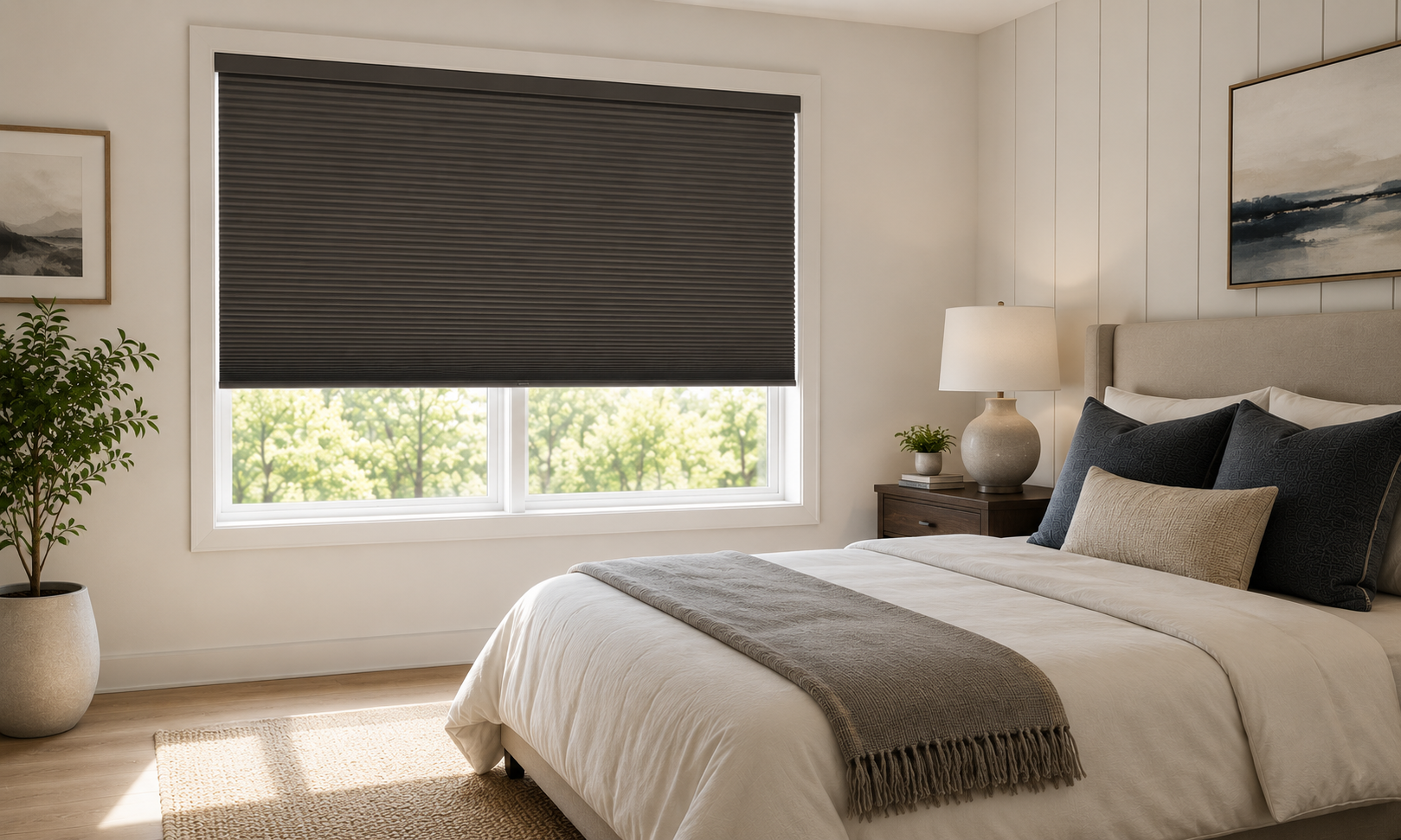
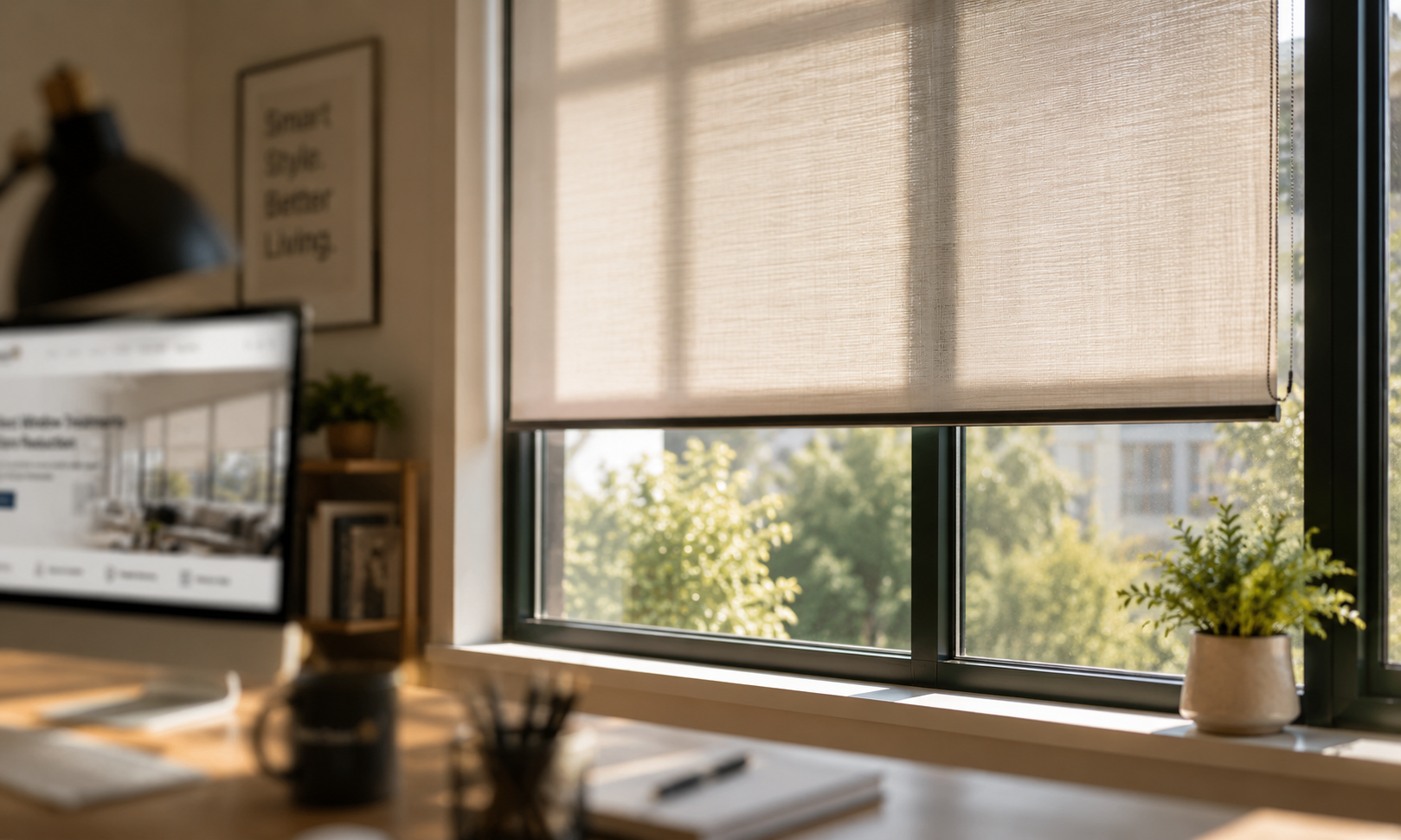
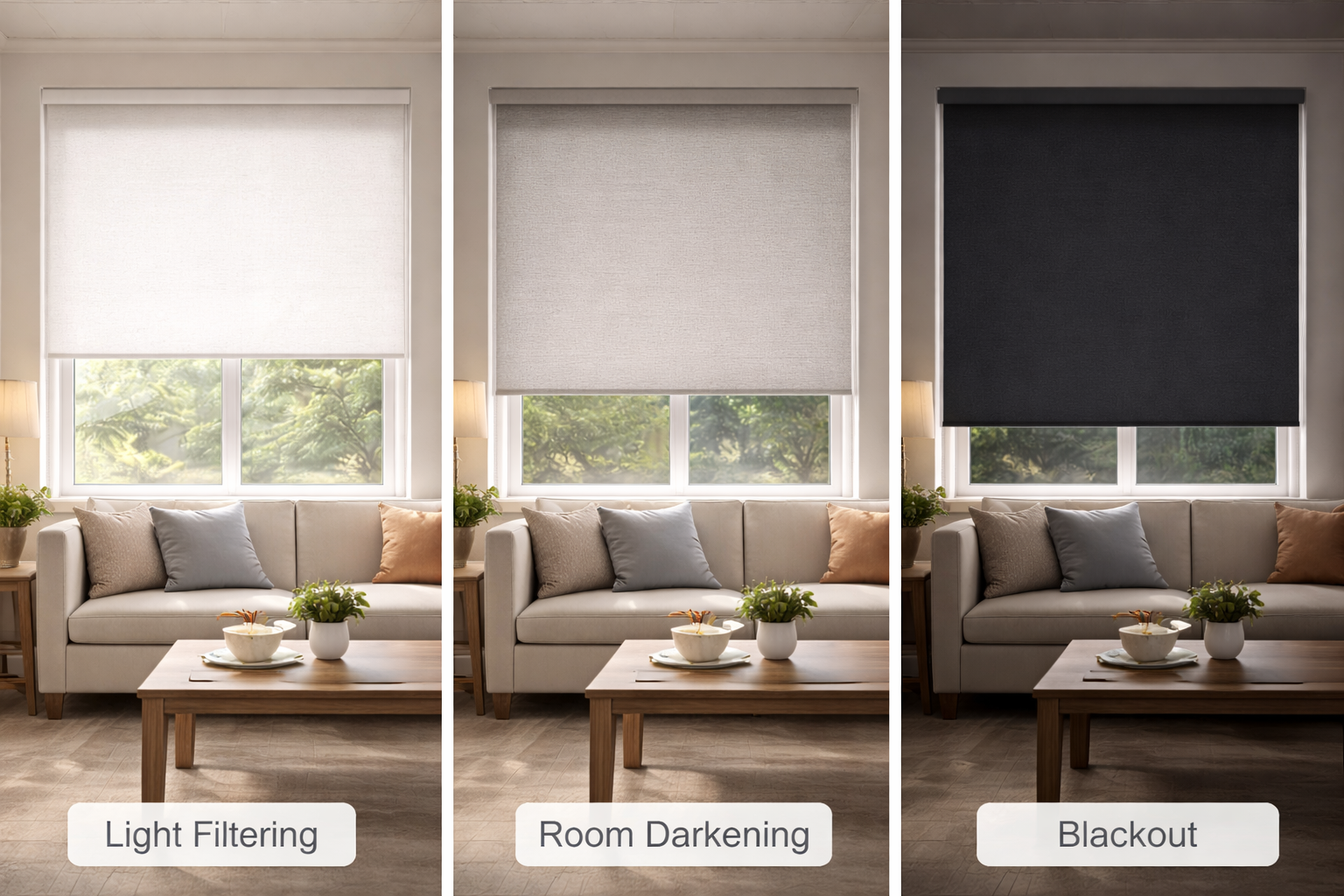
Our Privacy and Light Control Resource Center brings together expert buying guides, product comparisons, room recommendations, and practical advice to help you find the right balance. Learn about light-filtering, room-darkening, blackout, solar screen, sheer, and adjustable window treatments for bedrooms, bathrooms, living spaces, offices, media rooms, and other areas of your home. Shop our privacy window shades.
When you are ready to compare products, explore our complete selection of custom window blinds and custom window shades.
New to Privacy & Light Control? Start Here
If you are beginning your research, start with our introductory guides explaining how window treatments manage light and privacy. Learn the differences between light filtering, room darkening, and blackout, along with how fabric openness, slat position, material thickness, and mounting style affect performance.
These resources will help you identify whether your priority is daytime privacy, nighttime privacy, glare reduction, UV protection, adjustable natural light, or creating a darker room.
Choosing Window Treatments for Privacy
Privacy needs vary by room and by time of day. A window treatment that provides adequate daytime privacy may allow silhouettes or visibility at night when interior lights are on. Bedrooms and bathrooms usually require stronger privacy, while living rooms and kitchens may benefit from products that preserve daylight while limiting outside views.
Our privacy guides explain how different blinds and shades perform during the day and at night, how window orientation affects visibility, and which products offer the strongest privacy when fully closed.
- Best Shades for Privacy (Complete Guide to Window Privacy Options)
- Best Blinds for Privacy - Top Options
- Best Window Treatments for Glare Reduction
- Best Window Treatments for Sleeping
Daytime vs Nighttime Privacy
Daytime privacy is often created when outdoor light is brighter than the interior of the home. Solar shades, sheer shades, and some light-filtering fabrics may reduce visibility from outside during daylight while still allowing you to see out. However, that effect may reverse after dark when indoor lights are brighter than the exterior.
For dependable nighttime privacy, choose an opaque window treatment or combine a view-preserving daytime product with blinds, shades, or drapery that can close fully in the evening.
- Do Blinds Provide Privacy at Night?
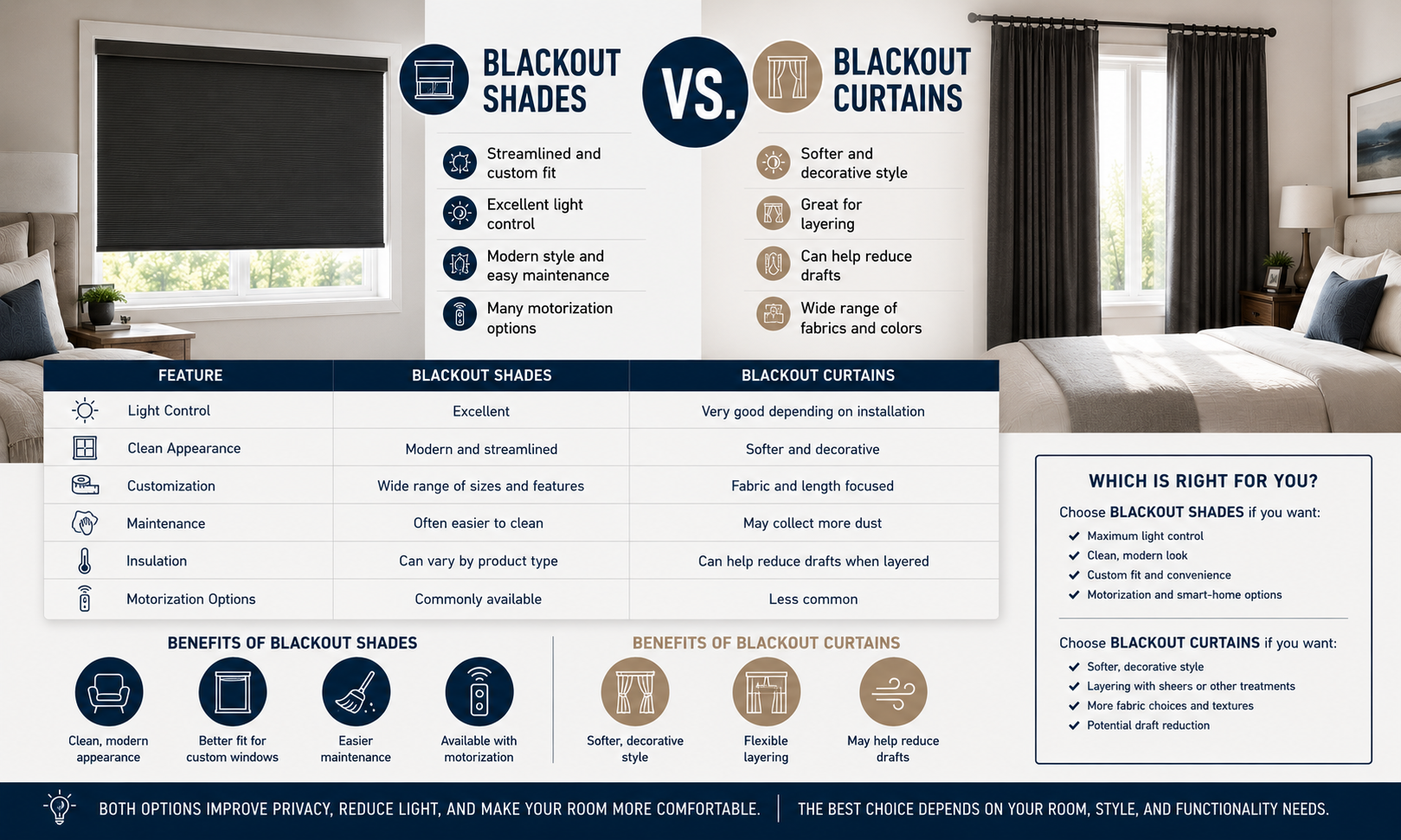
- Blackout Shades vs Curtains
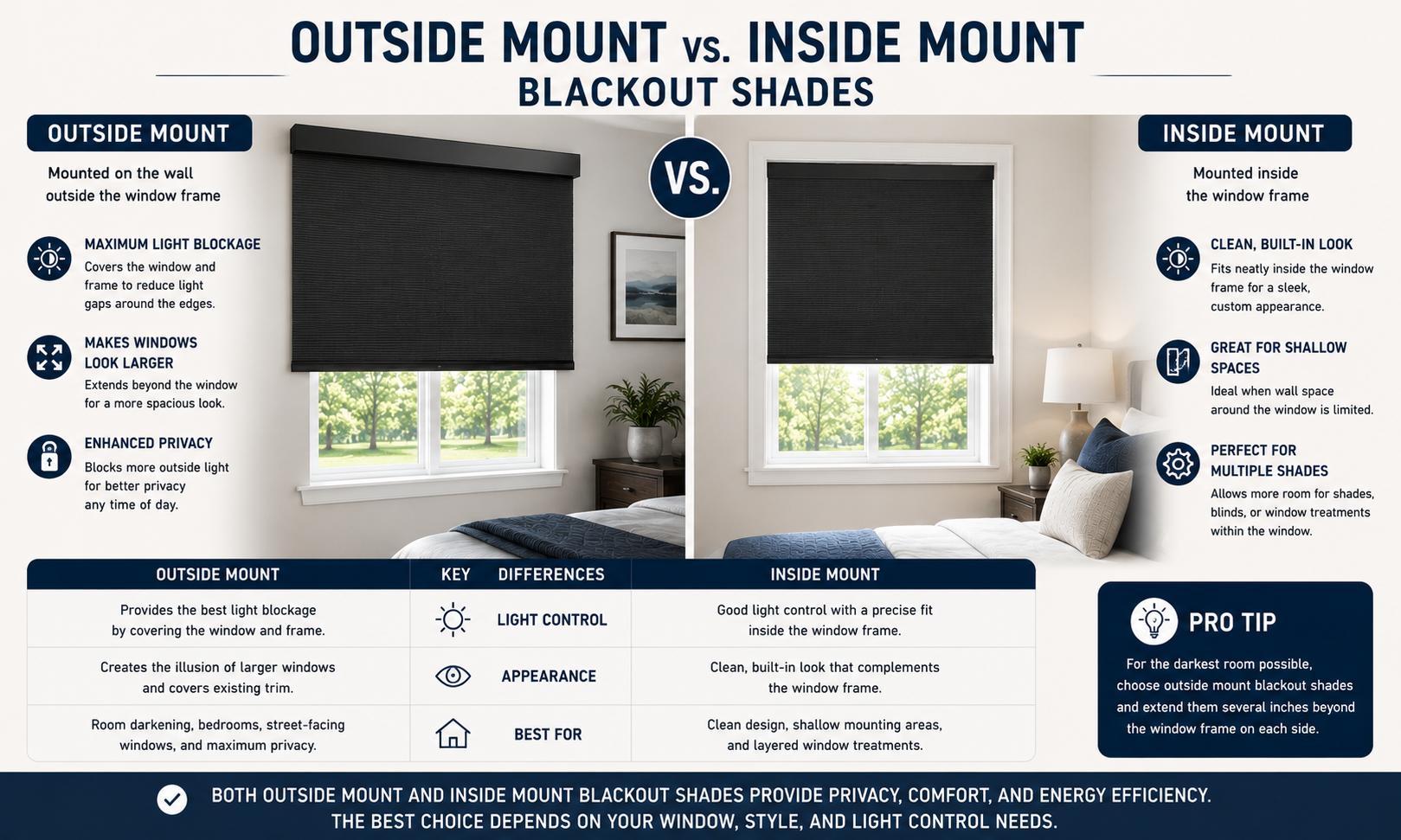
- Inside Mount vs Outside Mount Blackout Shades
- Light Filtering vs Room Darkening vs Blackout
Light-Filtering Window Treatments
Light-filtering window treatments soften sunlight while allowing a comfortable level of natural light into the room. They can reduce harsh brightness, limit UV exposure, and create a warm, diffused appearance without making the space feel closed off.
Light-filtering roller shades, cellular shades, pleated shades, Roman shades, and other fabric treatments are available in different colors and opacities. Lighter fabrics generally brighten the room, while darker or more tightly woven materials may provide stronger privacy and glare control.
Adjustable Light Control
Some window treatments allow you to fine-tune light throughout the day rather than choosing only fully open or fully closed. Horizontal blinds use adjustable slats, vertical blinds use rotating vanes, and sheer shades combine fabric vanes with translucent material to control light while maintaining a softer appearance.
Zebra shades alternate sheer and solid fabric bands, while Top Down Bottom Up shades allow light to enter through the upper part of the window while covering the lower portion for privacy.
Top Down Bottom Up Shades for Privacy & Natural Light
Top Down Bottom Up shades are one of the most flexible choices for rooms where privacy and daylight are equally important. Lowering the shade from the top allows sunlight to enter while keeping the lower portion of the window covered from street-level views.
This operating style is especially useful in bathrooms, bedrooms, home offices, dining rooms, and street-facing spaces. Availability varies by shade type, size, and manufacturer.
Shop our collection of top down bottom up window shades or learn more in our top down bottom up resource guides
Solar Shades for Glare, UV Protection & Daytime Privacy
Solar screen shades reduce glare, solar heat, and UV exposure while helping preserve the outdoor view. Their performance is influenced by the fabric’s openness factor, color, and weave. A lower openness factor provides more coverage and privacy, while a higher openness factor preserves more of the view.
Solar shades are well suited for living rooms, offices, sunrooms, and windows facing strong sunlight. Because the visibility effect can reverse at night, they are not generally the best standalone choice when complete nighttime privacy is required.
Explore our Solar Screen Shade Resource Center or browse custom solar screen shades.
Sheer & Layered Shades
Sheer and layered window shades help balance softened daylight, outdoor visibility, and adjustable privacy. Sheer shades use fabric vanes suspended between translucent layers, while zebra shades alternate sheer and opaque fabric bands that can be aligned for greater visibility or privacy.
These products work well in living rooms, dining rooms, home offices, and other spaces where flexible daylight management and decorative style are priorities. For stronger privacy or room darkening, select an appropriate fabric and close the treatment fully.
Room-Darkening Window Treatments
Room-darkening window treatments substantially reduce incoming light without necessarily creating the darkest possible room. They are useful in bedrooms, television rooms, nurseries, and spaces where glare or brightness needs to be controlled but complete blackout is not required.
Room-darkening fabrics are available on many roller shades, cellular shades, Roman shades, pleated shades, zebra shades, and drapery products. Actual performance depends on the fabric, product construction, mounting method, and light entering around the edges.
Blackout Window Treatments
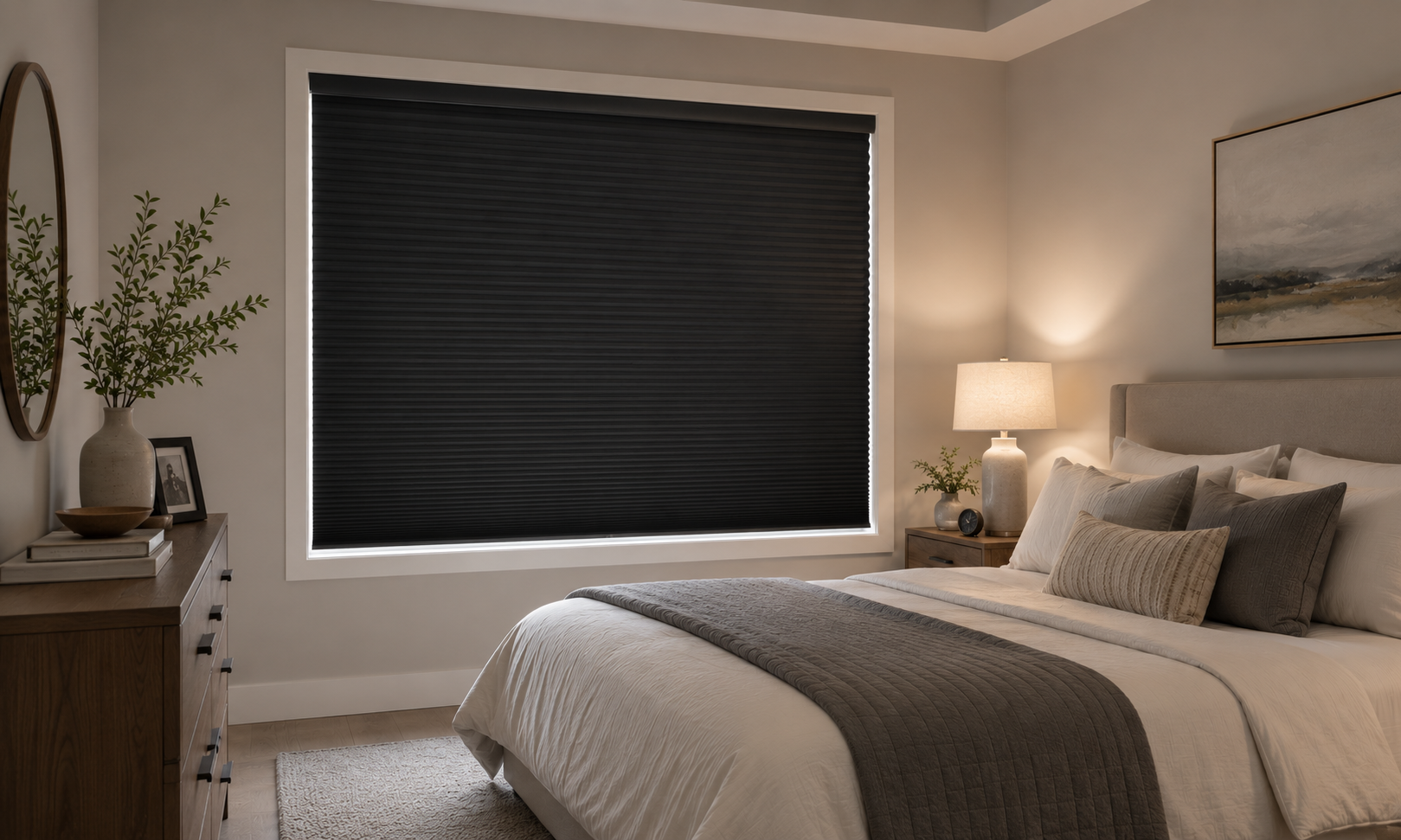
Blackout materials are designed to prevent light from passing through the fabric itself. They are often selected for bedrooms, nurseries, media rooms, home theaters, and rooms used by people who sleep during daylight hours.
A blackout material does not automatically make a room completely dark. Inside-mounted shades typically require small operating clearances that may allow light to enter along the edges. Outside mounts, side channels, overlapping drapery, and layered window treatments can help reduce these light gaps. Shop our selection of blackout window shades.
- Are Blackout Shades Worth It?
- Blackout Shades vs Curtains
- Do Blackout Shades Reduce Heat?
- Inside Mount vs Outside Mount Blackout Shades
- Light Filtering vs Room Darkening vs Blackout
Privacy & Light Control by Window Treatment Type
Different window treatments manage privacy and light in different ways. Blinds provide adjustable control through tilting slats or vanes, while fabric shades range from translucent to fully opaque. Shutters provide durable adjustable louvers, and drapery can add decorative coverage or be layered over another treatment.
- Window Blinds for adjustable slat or vane control
- Roller Shades for simple fabric-based light control
- Honeycomb Cellular Shades for privacy, insulation, and light control
- Solar Screen Shades for glare reduction and daytime view-through
- Zebra Shades for alternating sheer and solid coverage
- Sheer Shades for softened daylight and adjustable fabric vanes
- Roman Shades for decorative fabric privacy and light control
- Plantation Shutters for adjustable louvers and durable privacy
- Custom Drapery Panels for decorative coverage and layered light control
Side Channels for Enhanced Privacy
Even the best-fitting blinds and shades have small light gaps along the sides where the window treatment meets the frame. If you want the highest level of privacy and light control, adding side channels (also called side tracks or light blockers) is an excellent solution. These slim channels help seal the edges of the shade, reducing light leakage while making it more difficult for people outside to see into your home. Side channels are especially beneficial for bedrooms, media rooms, street-facing windows, and any space where maximum privacy is important. Shop blackout window shades with side channels.
Best Window Treatments for Bathroom Privacy
Bathrooms require dependable privacy and materials appropriate for the room’s moisture level. Opaque roller shades, cellular shades, faux wood blinds, shutters, and Top Down Bottom Up shades are popular options depending on the location of the window and the amount of natural light desired.
For windows near showers, sinks, or tubs, consider moisture-resistant materials and avoid fabrics that may absorb excessive humidity. Street-facing bathroom windows may benefit from Top Down Bottom Up operation, which covers the lower part of the window while allowing light from above.
Best Window Treatments for Bedroom Privacy
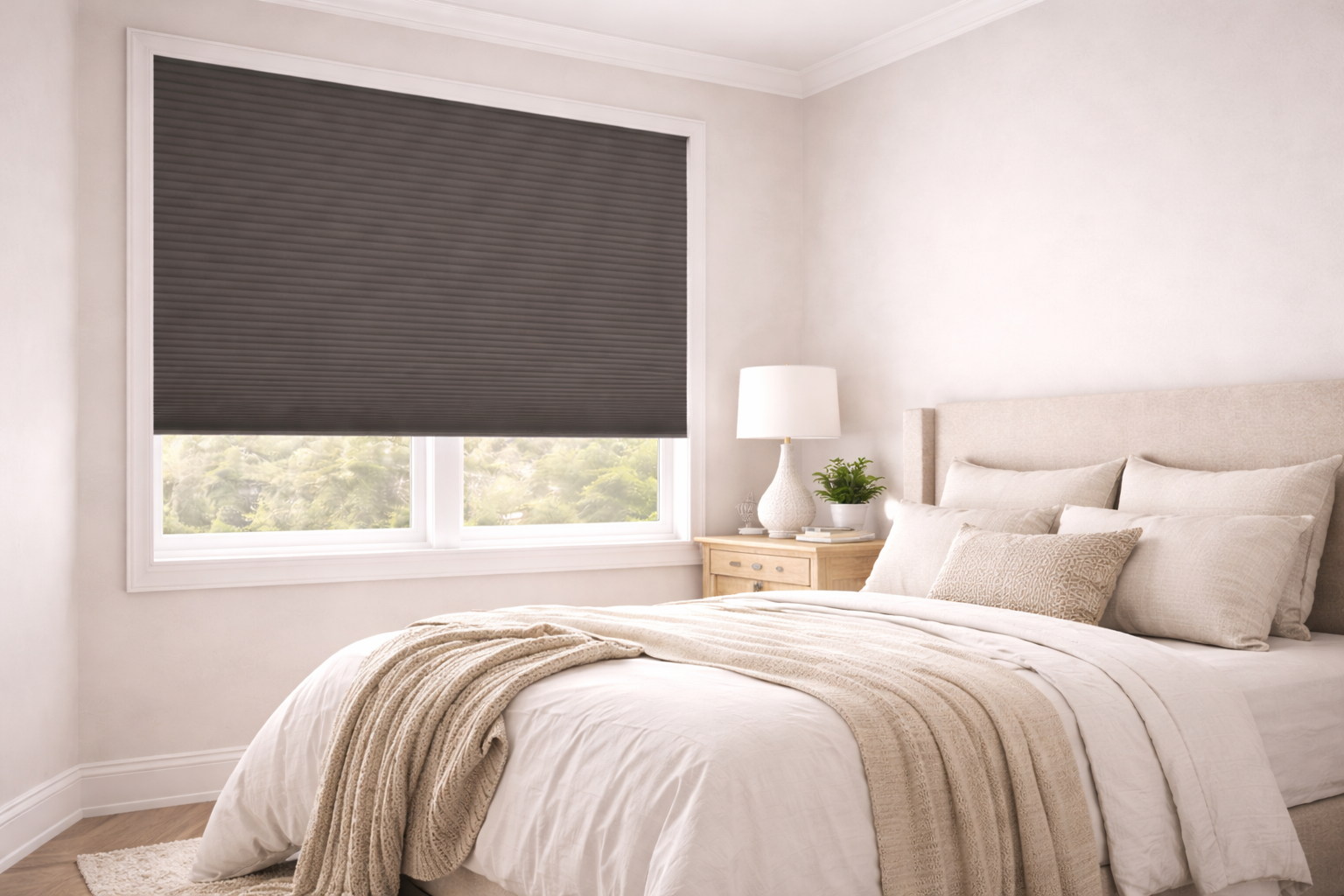
Bedroom window treatments often need to provide nighttime privacy, light control, and a comfortable sleep environment. Opaque shades, blinds with overlapping slats, shutters, blackout fabrics, and lined drapery can all provide effective coverage.
The best choice depends on how dark you want the room, whether insulation is important, and whether you prefer adjustable daylight or complete coverage. Layering shades with drapery can provide both flexible daytime control and stronger nighttime privacy.
Privacy & Light Control for Living Rooms
Living rooms often benefit from window treatments that reduce glare and outside visibility without eliminating natural light. Solar shades, sheer shades, zebra shades, wood blinds, faux wood blinds, and light-filtering fabric shades offer different levels of view-through and adjustability.
Consider the direction the windows face, television placement, nearby homes or sidewalks, and whether privacy is needed during both the day and evening.
Glare Control for Home Offices & Media Rooms
Glare on computer screens and televisions can make working or viewing uncomfortable. Solar shades can reduce glare while maintaining some outdoor visibility, while roller shades, cellular shades, and adjustable blinds allow stronger control when direct sunlight is intense.
Media rooms and home theaters may require room-darkening or blackout products, particularly when controlling reflections from multiple windows.
Privacy Solutions for Street-Facing Windows
Windows facing sidewalks, neighboring homes, or busy streets often need privacy without remaining fully covered throughout the day. Top Down Bottom Up shades can block lower sightlines while allowing overhead daylight, and adjustable blinds can redirect light while limiting direct views.
Layered solutions may also be effective. A solar or sheer shade can provide daytime glare reduction, while an opaque blind, shade, or drapery panel supplies nighttime privacy.
Window Treatments That Preserve the View
Solar shades and sheer window treatments are popular when maintaining an outdoor view is important. The view is typically clearest when the interior is darker than the outdoors, so daytime performance is usually stronger than nighttime performance.
Fabric color and openness also affect visibility. Darker solar fabrics often provide a clearer daytime view and better glare control, while lighter colors can reflect more sunlight and brighten the room.
- Do Light Filtering Shades Provide Privacy?
- Do Blinds Provide Privacy at Night?
- Best Shades for Privacy (Complete Guide to Window Privacy Options)
- Best Blinds for Privacy - Top Options
Inside Mount vs Outside Mount for Privacy & Light Control
Inside-mounted window treatments fit within the window frame and provide a clean appearance, but operating clearances may allow small amounts of light or visibility along the edges. Outside-mounted treatments overlap the window opening and may provide greater coverage.
The best mounting method depends on window depth, trim, obstructions, available wall space, and the desired level of light control. Careful measuring is essential for both appearance and performance.
Layering Window Treatments
Layering can provide greater flexibility than using one product alone. A solar shade can manage daytime glare while drapery provides nighttime privacy. A blackout roller shade can be paired with decorative panels to reduce side light, and adjustable blinds may be layered with curtains for added softness and coverage.
Our layering guides explain how to combine products without crowding the window or interfering with operation.
Motorized Privacy & Light Control
Motorized window treatments make it easier to adjust privacy and light on tall windows, wide openings, skylights, and groups of windows. Depending on the system, shades may be controlled individually or together using a remote or wall control.
For information about motors, power sources, batteries, and hardwiring, visit our Motorized Window Treatment Resource Center. For apps, schedules, voice assistants, hubs, and automated routines, explore our Smart Home Window Treatment Resource Center.
Related Privacy & Light Control Resources
Continue exploring these resources to compare privacy levels, fabric opacities, adjustable window treatments, and room-specific solutions.
- Window Blind Resource Center
- Window Shade Resource Center
- Solar Screen Shade Resource Center
- Honeycomb Cellular Shade Resource Center
- Motorized Window Treatment Resource Center
- Smart Home Window Treatment Resource Center
- Shop Window Blinds
- Shop Window Shades
Privacy & Light Control Window Treatment FAQs
Which window treatments provide the most privacy?
Opaque roller shades, cellular shades, Roman shades, closed blinds, shutters, and lined drapery can all provide strong privacy. The best option depends on the room, mounting method, material, and whether privacy is needed during both the day and night.
What is the difference between daytime and nighttime privacy?
Some sheer and solar fabrics reduce outside visibility during daylight because the exterior is brighter than the room. At night, interior lighting may make it possible to see through those materials from outside. Opaque window treatments provide more dependable nighttime privacy.
Can window treatments provide privacy without blocking all natural light?
Yes. Light-filtering shades soften sunlight while limiting visibility, and Top Down Bottom Up shades can cover the lower part of the window while allowing light through the top. Adjustable blinds and sheer shades also provide flexible privacy and daylight control.
Can people see through solar shades at night?
Solar shades that preserve the daytime view may allow visibility into the room at night when interior lights are on. For nighttime privacy, pair them with an opaque shade, blind, or drapery panel, or choose a more private window treatment.
What are the best window treatments for bathroom privacy?
Opaque roller shades, cellular shades, faux wood blinds, shutters, and Top Down Bottom Up shades are popular bathroom options. Materials should also be selected based on the room’s humidity and the window’s proximity to water.
What are the best window treatments for bedroom privacy?
Bedrooms often benefit from opaque or blackout roller shades, cellular shades, Roman shades, blinds, shutters, or lined drapery. Layered treatments can provide adjustable daylight during the day and stronger privacy at night.
What is the difference between light filtering, room darkening, and blackout?
Light-filtering materials soften daylight, room-darkening materials substantially reduce incoming light, and blackout materials are designed to block light through the fabric. Light may still enter around the edges of any window treatment depending on its fit and installation.
Which window treatments are best for glare control?
Solar shades are a popular choice for reducing glare while preserving some outdoor visibility. Roller shades, cellular shades, blinds, and room-darkening products may provide stronger control when direct sunlight is intense.
Do Top Down Bottom Up shades provide privacy?
Yes. Top Down Bottom Up shades can cover the lower portion of a window to block direct views while leaving the top open for natural light. Privacy depends on how much of the window is covered and the viewing angle from outside.
Are blinds or shades better for adjustable light control?
Blinds provide precise adjustment through tilting slats or vanes. Shades generally control light by raising, lowering, or aligning fabric layers. Sheer, zebra, and Top Down Bottom Up shades offer more adjustability than standard single-layer shades.
Does an outside mount improve privacy and light control?
An outside mount can provide more coverage because the window treatment overlaps the opening. This may reduce light gaps and visibility around the edges, although performance depends on the product, overlap, window trim, and installation.
Find the Right Balance of Privacy & Natural Light
The best window treatment is not always the one that blocks the most light. It is the product that gives you the level of privacy, glare control, outdoor visibility, and room brightness your space requires. Compare light-filtering, adjustable, room-darkening, and blackout options to find the right solution for each window in your home.