







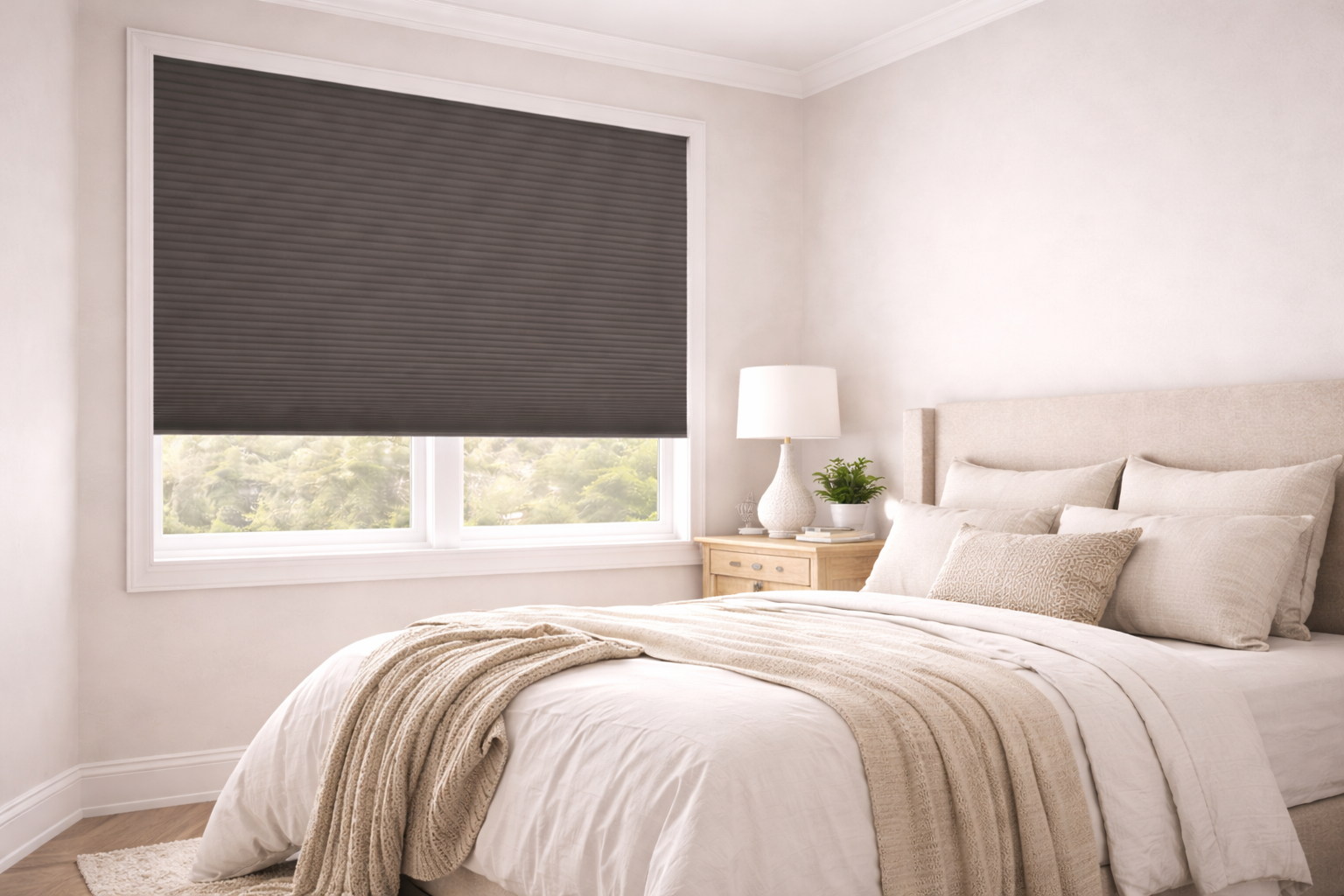
Blackout shades are commonly used to block light, but many homeowners also wonder if they can help reduce heat. In hot climates and sunny rooms, controlling heat gain through windows is essential for comfort and energy efficiency.
The short answer is yes—blackout shades can help reduce heat. However, how effective they are depends on the material, installation, and overall window exposure.
Explore our full range of custom-made window shades as well as blackout window shades. Learn more about heat control solutions in our best window treatments for heat reduction guide.
How Blackout Shades Reduce Heat
Blackout shades are designed with dense, tightly woven or layered materials that block sunlight from entering a room. By stopping sunlight at the window, they help reduce the amount of heat that builds up indoors.
When sunlight passes through glass, it turns into heat inside your home. Blackout shades limit this effect by blocking or absorbing the light before it spreads into the room.
Do Blackout Shades Completely Block Heat?
While blackout shades can significantly reduce heat, they do not eliminate it completely. Some heat can still enter through the glass and around the edges of the shade.
Their effectiveness depends on:
- How tightly the shade fits within the window
- The thickness and material of the fabric
- The direction the window faces
- How long the window is exposed to direct sunlight
Blackout Shades vs Other Heat-Reducing Window Treatments
Blackout shades are effective, but they are not always the most efficient option for reducing heat compared to other specialized window treatments.
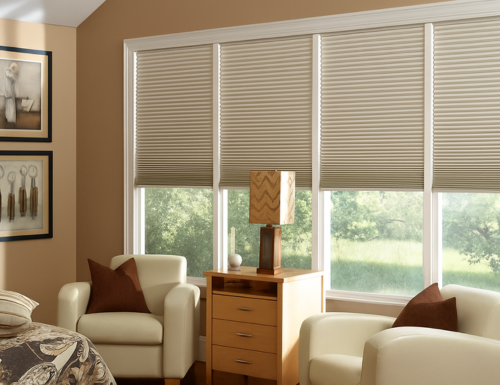
- Cellular shades: Provide better insulation with air pockets that trap heat
- Solar shades: Reflect and block UV rays while maintaining visibility
- Plantation shutters: Create a strong barrier against heat transfer
Blackout shades are strongest in light blocking, while other options may outperform them in insulation or heat reflection.
When Blackout Shades Work Best
Blackout shades are especially effective in situations where both light control and heat reduction are important.
- Bedrooms that receive direct morning or afternoon sun
- Media rooms where light needs to be minimized
- Rooms with large windows that allow in intense sunlight
- Homes in hot climates where reducing glare and heat is a priority
Tips to Improve Heat Reduction
To get the most heat reduction from blackout shades, consider the following:
- Choose shades that fit closely inside the window frame
- Use side channels or tighter mounting to reduce light gaps
- Select lighter-colored backing to reflect heat
- Combine blackout shades with other window treatments if needed
Are Blackout Shades Worth It for Heat Control?
Blackout shades are a good option if your main goal is to block light while also reducing some heat. They are particularly useful in bedrooms and spaces where darkness is important.
However, if your primary goal is maximum heat reduction, you may want to consider other options or combine blackout shades with additional insulating window treatments.
Explore Your Options
If you're comparing different ways to reduce heat and improve comfort, explore these guides:
- Best Window Treatments for Arizona Heat
- Roman Shades vs Cellular Shades
- Are Cellular Shades Worth It
- Shop Privacy Window Shades
Final Thoughts
Blackout shades can help reduce heat by blocking sunlight and limiting how much warmth enters your home. While they are not the most insulating option available, they provide a strong balance of light control and heat reduction, making them a practical choice for many rooms.
Blackout Shades and Heat FAQs
Do blackout shades reduce heat?
Yes. Blackout shades reduce heat by blocking sunlight and limiting how much heat enters through the window.
Are blackout shades good for hot climates?
Yes. Blackout shades can help reduce heat and glare, making them useful in hot climates, especially when paired with proper installation.
Do blackout shades keep rooms cooler?
They can help keep rooms cooler by blocking sunlight, but they may not provide as much insulation as cellular shades or other specialized options.
What is better for heat reduction than blackout shades?
Cellular shades, solar shades, and plantation shutters are often more effective for heat reduction because they provide insulation or reflect sunlight.