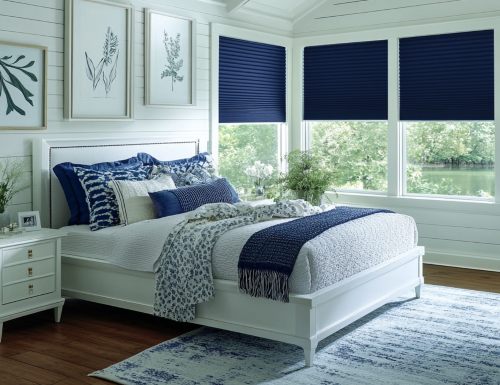









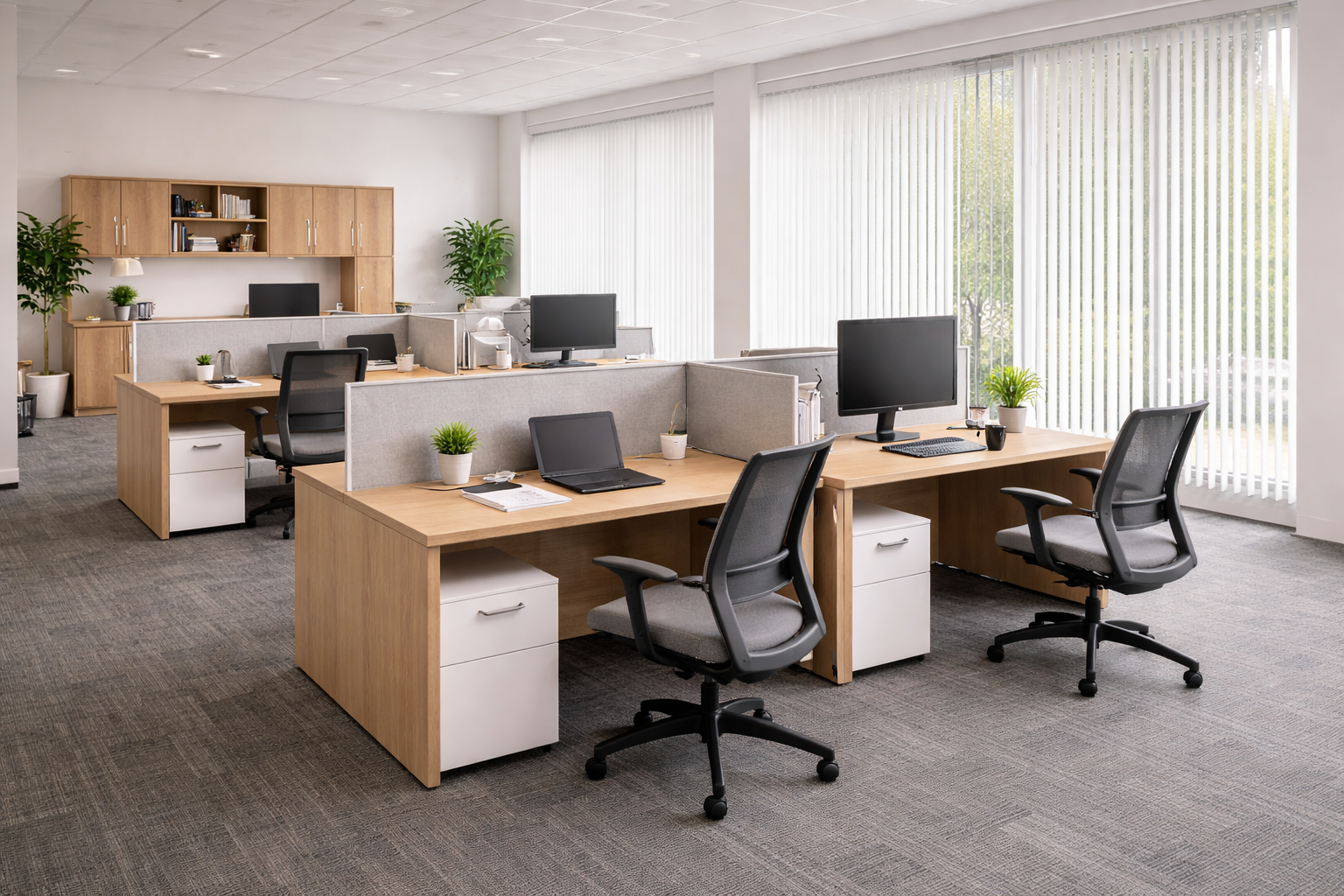
Vertical blinds and horizontal blinds are two of the most common window treatments, but they are designed for different types of windows and serve different purposes. Understanding how they compare can help you choose the right option for your space.
Both styles offer adjustable slats for light control and privacy, but they differ in orientation, appearance, and ideal use cases.
You can browse both options here: Vertical Blinds and Horizontal Window Blinds.
Key Differences at a Glance
- Orientation: Vertical blinds use upright vanes, while horizontal blinds use flat slats.
- Operation: Vertical blinds slide side to side; horizontal blinds lift upward.
- Best Use: Vertical blinds are ideal for large windows and sliding doors; horizontal blinds are better for standard windows.
- Appearance: Vertical blinds are more functional, while horizontal blinds often have a more traditional or decorative look.
- Light Control: Both provide adjustable light control, but in different ways.
Design and Appearance
Vertical blinds have a clean, linear appearance and are often chosen for their practicality, especially in large spaces. They create a structured look that works well for wide windows and sliding doors.
Horizontal blinds, including wood, faux wood, and aluminum styles, tend to offer a more traditional or decorative appearance. Their wider slats can create a more finished and design-focused look.
Best Use Cases: Vertical vs Horizontal Blinds
| Use Case | Vertical Blinds | Horizontal Blinds |
|---|---|---|
| Sliding Glass Doors | Best choice – designed for wide openings and easy side-to-side operation | Not ideal – difficult to operate across large spans |
| Large Windows | Excellent – covers wide areas smoothly | Possible, but can be heavy and harder to operate |
| Standard Windows | Can be used, but may feel oversized | Best choice – ideal fit for most window sizes |
| Bedrooms | Works, but less common | Very popular – better for everyday bedroom use |
| Living Rooms | Good for large windows and patio doors | Great for standard windows and decorative styles |
| Offices | Excellent – reduces glare on screens | Good – offers precise light control |
| Patio Doors | Best choice – designed for door access | Not recommended |
| Small Windows | Not ideal – proportions may feel off | Best choice – clean and balanced look |
Light Control and Privacy
Both vertical and horizontal blinds offer adjustable light control through tilting slats. Vertical blinds rotate their vanes to control light, while horizontal blinds tilt slats up or down.
Vertical blinds are particularly effective for reducing glare on large windows, while horizontal blinds can provide more precise light direction in smaller spaces.
Ease of Use
Vertical blinds are designed for side-to-side movement, making them easier to operate on wide openings. Horizontal blinds lift upward and are often easier to manage on smaller windows.
The size and layout of your window often determine which option will feel more convenient to use.
Maintenance and Cleaning
Vertical blinds tend to collect less dust because their vanes hang vertically, making them relatively easy to maintain. Horizontal blinds may require more frequent dusting due to their flat slat surfaces.
Cost Considerations
Vertical blinds are often a cost-effective choice for large windows and sliding doors. Horizontal blinds vary in price depending on material, with aluminum being more affordable and wood options typically costing more.
Which One Should You Choose?
Choose Vertical Blinds If:
- You are covering large windows or sliding doors
- You want a practical, easy-to-use solution
- You prefer side-to-side operation
- You need an affordable option for wide spaces
Choose Horizontal Blinds If:
- You are covering standard-sized windows
- You want a more traditional or decorative look
- You prefer a wider range of materials and finishes
- You want more design-focused styling
Explore Your Options
Ready to compare products? Browse our custom vertical blinds and custom horizontal blinds collections.
You can also explore:
Final Thoughts
Vertical blinds and horizontal blinds each serve different needs. Vertical blinds are ideal for large openings and practical use, while horizontal blinds are better suited for standard windows and more decorative applications.
Choosing between them depends on your window size, style preferences, and how you plan to use the space.
Vertical Blinds vs Horizontal Blinds FAQs
Are vertical blinds better than horizontal blinds?
Vertical blinds are better for large windows and sliding doors, while horizontal blinds are better for standard-sized windows and more decorative applications.
Which blinds are better for sliding doors?
Vertical blinds are typically better for sliding doors because they are designed to move side to side and cover wide openings.
Do vertical blinds provide better light control?
Both types provide good light control, but vertical blinds are often better for large windows, while horizontal blinds offer more precise control for smaller windows.
Which blinds are easier to clean?
Vertical blinds are generally easier to clean because they collect less dust, while horizontal blinds may require more frequent cleaning.
Are horizontal blinds more stylish than vertical blinds?
Horizontal blinds often offer a more traditional or decorative look, while vertical blinds focus more on practicality and functionality.
Shop our collection of affordalble vertical blinds to discover durable and affordable window treatments designed for everyday use.
Want to learn more before you decide? Explore our vertical blinds buying guides and expert advice for helpful tips, comparisons, and inspiration.