







Introduction: Optimizing Your Window Treatments
When selecting honeycomb cellular shades, one of the key decisions you’ll need to make is whether to choose single cell or double cell shades. Understanding the differences between these options, as well as the different cell sizes available, can help you make an informed choice that best suits your needs. This guide will delve into the specifics of single cell and double cell shades, explain the benefits of each, and provide recommendations for their best use cases in homes and offices.
Shop elegant and practical custom-fit shades tailored to your exact specifications.
1. What is Single Cell and Double Cell?
Single Cell Shades
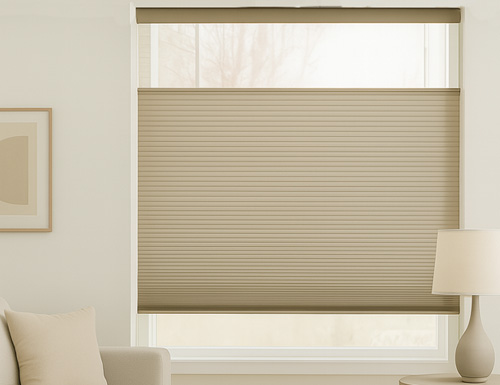
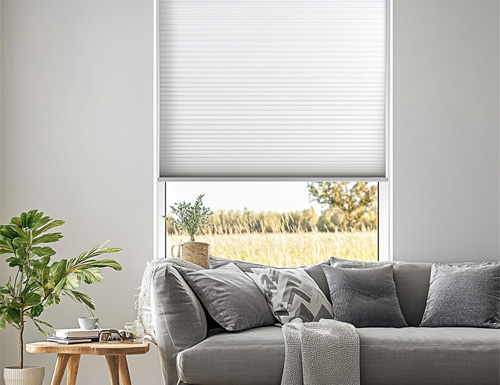
Single cell shades feature a single layer of honeycomb cells. These shades consist of individual cells that trap air, providing a moderate level of insulation and energy efficiency. They are generally less expensive and have a sleeker profile compared to double cell shades.
- Structure: One layer of cells.
- Insulation: Provides basic insulation by trapping air in the single layer of cells.
- Appearance: Slimmer profile, ideal for windows with shallow mounting depths.
Shop our selection of single cell honeycomb shades
Double Celllar Shades
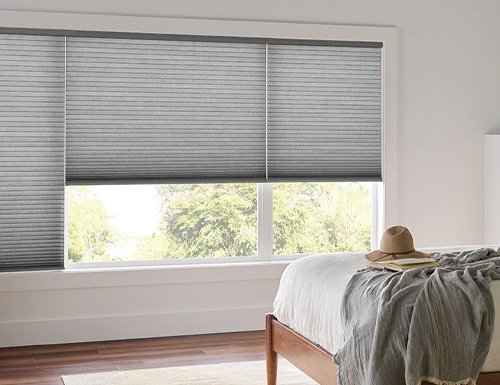
Double cellular shades, as the name suggests, have two layers of honeycomb cells stacked on top of each other. This design creates additional air pockets, enhancing the insulation properties and energy efficiency of the shades. Double cell shades are typically thicker and offer greater temperature control and sound absorption.
- Structure: Two layers of cells, creating additional air pockets.
- Insulation: Superior insulation due to the double layer of air pockets.
- Appearance: Thicker profile, providing a more substantial look and feel.
Shop our selection of double cell honeycomb shades
2. Cell Sizes and Their Impact
Small Cells (3/8 inch)
- Insulation: Good insulation, ideal for smaller windows.
- Appearance: Sleek and minimal, suitable for a modern look.
- Best Use: Small to medium-sized windows in homes and offices where a slim profile is desired.
Medium Cells (1/2 inch)
- Insulation: Better insulation than small cells, versatile for various window sizes.
- Appearance: Balanced profile, suitable for most standard windows.
- Best Use: Medium to large windows, providing a good balance between insulation and aesthetics.
Large Cells (3/4 inch and above)
- Insulation: Excellent insulation, best for large windows.
- Appearance: More prominent look, ideal for a bold statement.
- Best Use: Large windows or sliding glass doors, offering maximum insulation and coverage.
Read more about the cell sizes for honeycomb shaes
3. Best Use Cases for Each
Single Cellular Shades
Single cellular shades are versatile and can be used in various settings. Their slimmer
profile makes them ideal for windows with limited mounting space.
Homes:
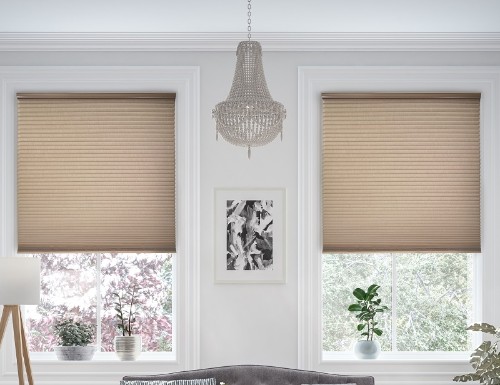
- Living Rooms: Single cell shades provide sufficient insulation while maintaining a sleek look that complements modern decor.
- Kitchens: They offer light control and privacy without taking up much space.
Offices:
- Small Office Windows: Ideal for smaller office windows where a streamlined appearance is preferred.
- Meeting Rooms:: Provide a balance between light control and aesthetics.
Double Cell Shades
Double cell shades are perfect for areas where superior insulation and sound absorption are required. Their thicker profile also adds a touch of luxury to the decor.
Homes:
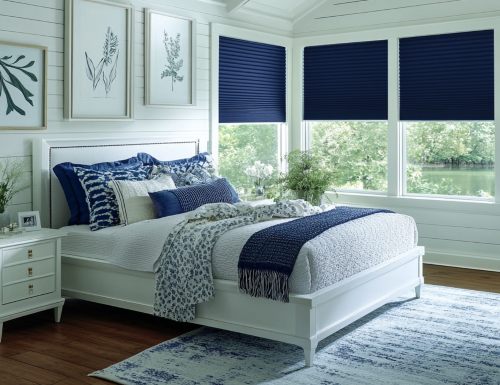
- Bedrooms: Double cellular shades offer excellent temperature control, ensuring a comfortable sleeping environment year-round.
- Media Rooms: Their superior sound absorption makes them ideal for media rooms, reducing outside noise for an enhanced viewing experience.
Offices:
- Conference Rooms: Provide privacy, sound absorption, and temperature control, creating a conducive environment for meetings.
- Large Windows: Perfect for offices with large windows, helping to regulate temperature and reduce energy costs.
4. Choosing the Right Cell Size and Type
When choosing between single cell and double cell shades, and deciding on the cell size, consider the specific needs of each room:
- Energy Efficiency: For maximum energy savings, choose double cell shades with large cells for the best choice.
- Aesthetics: For a sleek, modern look, single cell shades with small or medium cells are ideal.
- Light Control and Privacy: Both single and double cell shades offer good light control and privacy, but double cell shades provide additional benefits in terms of superior insulation and sound absorption.
Conclusion: Making an Informed Choice
Choosing the right honeycomb cellular shades involves balancing aesthetics, functionality, and specific needs. Single cell shades offer a slim profile and sufficient insulation for most settings, while double cell shades provide an additional layer of superior energy efficiency and sound absorption. By considering the size of the cells and the specific requirements of each room, you can select the perfect shades to enhance your home or office.
Explore the extensive range of custom honeycomb shades at BlindsChalet.com to find the ideal solution for your window treatment needs. With customizable options and expert advice, you’re sure to find shades that perfectly match your style and functional requirements.
Single-Cell vs Double-Cell - FAQs
What’s the difference between single-cell and double-cell shades?
Single-cell shades have one honeycomb air pocket per cell. Double-cell shades stack two pockets, creating an extra layer of insulation for improved thermal performance.
Which is more energy efficient, single or double cell?
Double-cell insulates better thanks to the second air pocket, helping stabilize indoor temperatures and reduce HVAC load—especially noticeable in hot/cold climates.
Do double-cell shades block more light than single-cell shades?
Light control depends on the fabric opacity (sheer, light-filtering, room-darkening, blackout), not cell count. That said, double-cell fabrics can reduce minor glow by adding thickness to the shade body. Choose blackout fabrics to block the most incoming light.
Which option is better for noise reduction?
Double-cell shades generally soften sound a bit more due to added material and extra air pocket, helpful for street-facing rooms and open-plan spaces.
Are double-cell shades more expensive than single-cell shades?
Yes. Double-cell typically costs more due to additional fabric and construction. Many homeowners balance budgets by using double-cell in bedrooms and single-cell in common areas.
Do double-cell shades have a taller stack when raised?
Usually yes. Double-cell fabrics are thicker, so the raised stack can be slightly taller than comparable single-cell shades. Larger cell sizes can also affect stack height.
Which is better for very large windows, single or double cell?
Single-cell (especially larger cells like 3/4") often suits wide spans thanks to lighter weight and a slimmer stack. For extra insulation on big windows, consider motorization to assist lift.
How do I choose a cell size (3/8", 1/2", 3/4") for single or double-cell shades?
Smaller cells complement small windows and trim; larger cells look modern and scale well on big openings. Double-check depth clearance for inside mounts—larger cells and double-cell builds need more space.
Where should I use single-cell vs double-cell shades in my home?
Double-cell: bedrooms, nurseries, media rooms, and extreme climates. Single-cell: living rooms, offices, and mild climates where a slimmer profile and lower cost are priorities.
Can I get Top-Down/Bottom-Up or Day/Night with single or double-cell shades?
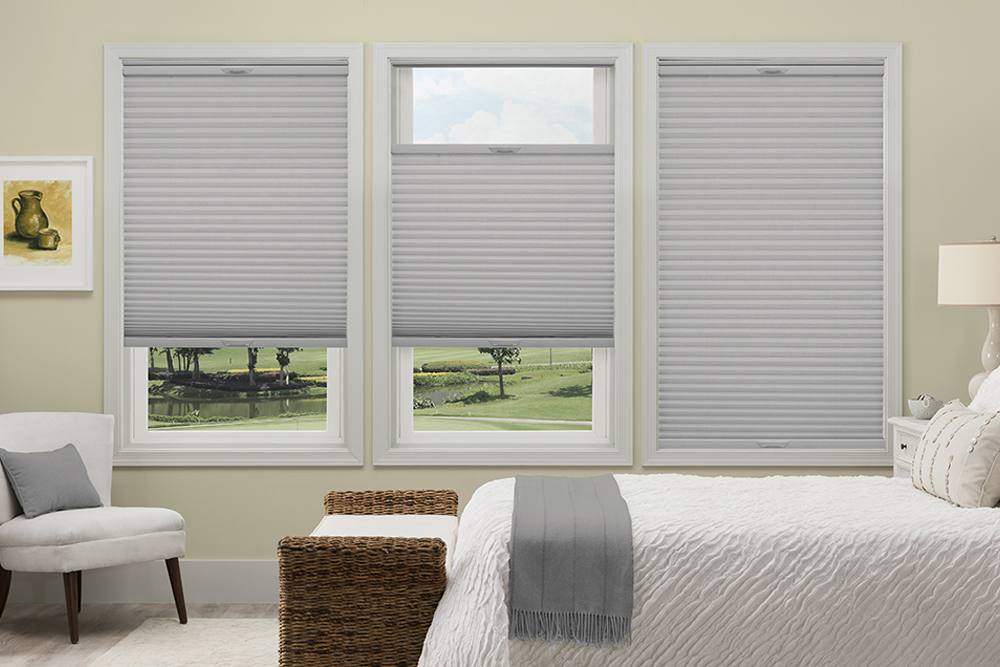
Yes. Both constructions commonly offer Top-Down/Bottom-Up and Day/Night (two fabrics on one shade) for flexible light and privacy control.
Are cordless and motorized lifts available for both single and double-cell shades?
Absolutely. Cordless offers a clean, child-safe profile. Motorization adds one-touch control, scheduling, and smart-home integration—great for tall windows and heavier fabrics.
Is one type more durable or easier to maintain than the other?
Both are low-maintenance: dust with a microfiber cloth or vacuum on low with a soft brush. Durability is similar; follow the fabric care guide and avoid harsh cleaners.
Bottom line, how do I choose between single-cell and double-cell shades?
Pick double-cell for maximum insulation, quieter rooms, and light-sensitive spaces. Pick single-cell for slimmer stacks, wide windows, and budget-friendly whole-home coverage—then choose fabric opacity for the light level you want.
Explore our full range of custom cellular shades to find energy-efficient window treatments that help improve comfort, privacy, and light control in your home.
For more helpful tips and detailed information, visit our cellular shades resource center where you can browse guides, comparisons, and expert advice.

 (
(
 (
(