






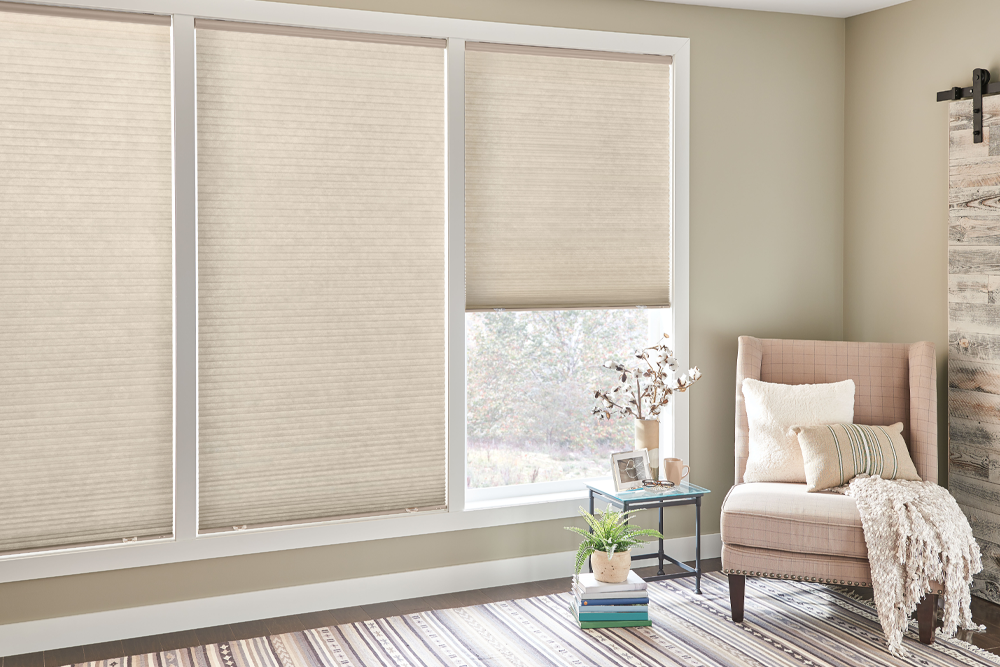
Introduction: Making the Perfect Choice for Your Home
Honeycomb cellular shades are a popular choice for homeowners looking to combine style, functionality, and energy efficiency in their window treatments. With a variety of options available, selecting the right honeycomb shades can be overwhelming. This guide will help you navigate the key considerations, ensuring you choose the perfect shades for your home.
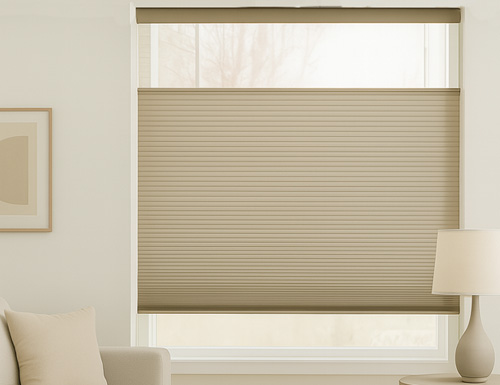
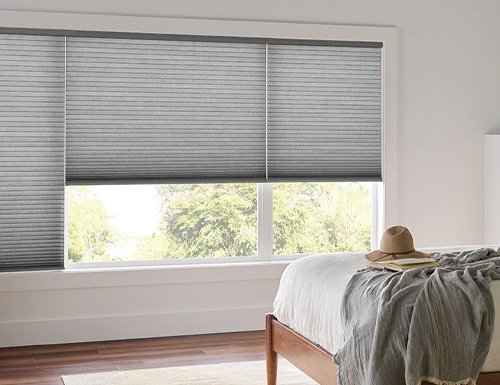
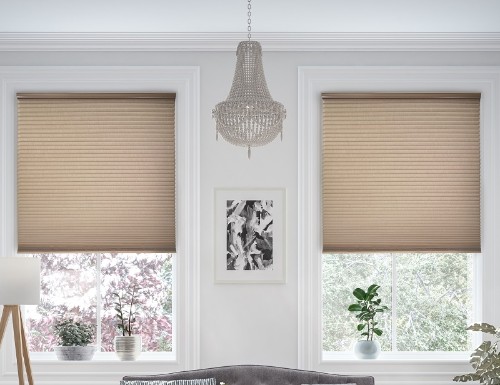
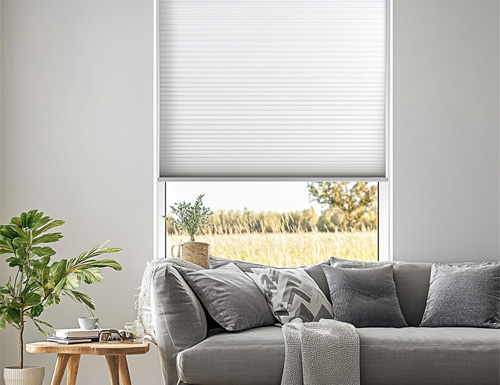
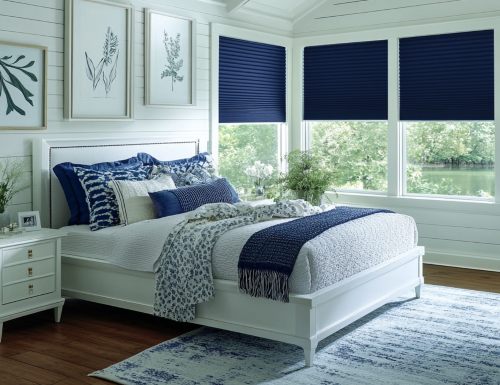
Browse a variety of made-to-measure shades to suit any room in your home.
Understanding Honeycomb Cellular Shades
Before diving into the selection process, it’s essential to understand what honeycomb cellular shades are and how they work. These shades feature a unique honeycomb structure that traps air, providing excellent insulation and energy efficiency. They are available in various cell sizes, fabric types, and features, each catering to different needs and preferences.
Choosing the Right Cellular Shade Cell Size
Honeycomb shades are available in several cell sizes such as 3/8 inch, 1/2 inch, 9/16 inch, and 3/4 inch. Smaller cells work well for smaller windows or shallow mounting depths, while larger cells provide a bolder look and may improve insulation for larger windows.
To better understand how these sizes affect appearance and performance, see our guide to cellular shade sizes explained.
Choosing the Right Lift Option
Cellular shades are available with several lift systems that affect both convenience and safety. Cordless shades are one of the most popular options because they eliminate dangling cords and provide a clean appearance. Top down bottom up shades allow the fabric to move from either direction, giving homeowners flexible light control and privacy. Motorized cellular shades can be operated with a remote control or smart home system, making them ideal for large or hard-to-reach windows.
Modern shades no longer come with exposed cords. Learn more about corded blind safety options.
Choosing the Right Light Control
Cellular shades are available in several fabric types that affect how much light enters the room. Light filtering fabrics allow natural daylight while maintaining privacy, making them popular for living rooms and dining areas. Room darkening and blackout cellular shades reduce incoming light and are often used in bedrooms or media rooms where darker conditions are preferred.
Energy Efficiency and Insulation
One of the main reasons homeowners choose honeycomb shades is their insulating design. The honeycomb cells trap air within the fabric, creating a barrier between the window and the room. This structure helps reduce heat transfer and can improve indoor comfort by keeping rooms cooler in summer and warmer in winter.
Choosing Cellular Shades for Different Rooms
Different rooms in the home may require different cellular shade features. Bedrooms often use blackout fabrics for better sleep conditions, while living rooms and dining areas commonly use light filtering fabrics to soften sunlight. Offices may benefit from shades that reduce glare while still allowing natural light.
Cellular Shades vs Other Window Treatments
Cellular shades are often compared with roller shades, roman shades, and traditional blinds. While roller shades offer a sleek modern appearance, cellular shades provide superior insulation because of their honeycomb structure. Horizontal blinds allow adjustable slats for light control, but cellular shades typically offer better privacy and energy efficiency.
Learn More About Cellular Shades
If you're researching honeycomb shades in more detail, explore our additional guides including the benefits of cellular shades, pros and cons of cellular shades, our Ultimate Guide to Cellular Shades, and our article on single vs double cell cellular shades.
Key Factors to Consider
Energy Efficiency
One of the primary reasons homeowners choose honeycomb cellular shades is for their energy-saving properties. The shades’ cellular structure creates air pockets that act as insulators, helping to maintain a consistent indoor temperature. When selecting shades, consider the following:
- Single vs. Double Cell: Double cell shades provide better insulation than single cell shades due to their additional layer of air pockets. They are ideal for extreme climates and rooms that require more temperature regulation.
- Cell Size: Larger cells offer better insulation for bigger windows, while smaller cells are suitable for standard-sized windows.
Light Control and Privacy
Honeycomb shades offer various levels of light control and privacy, depending on the fabric’s opacity. Consider your room’s purpose and how much light control and privacy you need:
- Light Filtering: Light-filtering shades allow natural light to enter while providing privacy. They are perfect for living rooms and kitchens where you want a bright and inviting atmosphere.
- Room Darkening: Room-darkening shades block more light than light-filtering options, making them suitable for bedrooms and home offices where you need more control over light.
- Blackout: Blackout shades provide maximum light blockage, ideal for media rooms and bedrooms where complete darkness is required for better sleep or viewing experiences.
Style and Aesthetics
- Color and Pattern: Choose colors and patterns that complement your room’s decor. Neutral tones offer versatility, while bold colors can make a statement.
- Fabric Texture: The texture of the fabric can add a unique touch to your decor. Smooth fabrics provide a sleek look, while textured fabrics add depth and interest. Learn more about are honeycomb shades in style?
Operation Mechanisms
The way you operate your shades can impact their convenience and safety. Different mechanisms are available to suit various needs:
- Cordless Operation: Cordless shades are a safe option for homes with children and pets, eliminating the risk of entanglement. They also provide a clean, uncluttered look.
- Motorized Shades: Motorized honeycomb shades can be operated with a remote control or integrated with smart home systems for added convenience. They are ideal for hard-to-reach windows and modern homes.
- Top Down Bottom Up: This feature allows you to lower the shade from the top or raise it from the bottom, offering flexible light control and privacy options.
Window Size and Shape
Consider the size and shape of your windows when selecting honeycomb shades. Custom-sized shades ensure a perfect fit and optimal performance:
- Standard Windows: Most honeycomb shades are available in standard sizes, but custom options provide a tailored fit.
- Large Windows: For large windows, consider shades designed to cover wider areas without sagging or compromising insulation.
- Specialty Shapes: Honeycomb shades can be customized to fit uniquely shaped windows, such as arches, hexagons, and skylights.
Installation and Maintenance
Ease of installation and maintenance are crucial factors to consider:
- DIY vs. Professional Installation: Some shades are easy to install yourself, while others may require professional installation for optimal performance.
- Maintenance: Choose shades that are easy to clean and maintain. Most honeycomb shades can be dusted with a vacuum cleaner’s brush attachment or spot cleaned with a mild detergent.
3. Making the Final Decision
After considering all these factors, you should have a clearer idea of which honeycomb cellular shades best meet your needs. To make the final decision:
- Evaluate Your Needs: Consider the specific needs of each room in your home, including light control, privacy, insulation, and aesthetics.
- Consult an Expert: If you’re unsure, consult with a window treatment expert at BlindsChalet.com for personalized advice and recommendations.
- Sample Swatches: Order fabric swatches to see and feel the materials before making a purchase, ensuring the perfect match for your decor.
Conclusion: Enhance Your Home with the Perfect Honeycomb Shades
Choosing the right honeycomb cellular shades involves balancing style, functionality, and energy efficiency. By considering factors such as energy savings, light control, aesthetics, operation mechanisms, and window size, you can select the perfect shades for your home. Explore the extensive selection of honeycomb cellular shades at BlindsChalet.com to find the ideal fit for your needs and transform your living spaces.
If you're new to honeycomb shades and want a complete overview, visit our Ultimate Guide to Cellular Shades to learn about benefits, energy efficiency, and how these shades compare with other window treatments.
Learn More About Cellular Shades
If you're still researching honeycomb shades, explore our additional guides that explain cellular shade features in more detail. Learn about the benefits of cellular shades, compare the pros and cons of cellular shades, and see how different cellular shade sizes affect appearance and insulation. You can also compare single cell vs double cell shades to understand which option provides the best energy efficiency for your home.
Frequently Asked Questions About Choosing Cellular Shades
What should I consider when choosing cellular shades?
When choosing cellular shades, consider factors such as cell size, light filtering versus blackout fabrics, lift options, insulation needs, and the size of your windows. These features help determine how the shades will perform in terms of energy efficiency, privacy, and light control.
How do I choose between light filtering and blackout cellular shades?
Light filtering cellular shades allow natural light to enter the room while maintaining privacy. Blackout cellular shades are designed to reduce incoming light more significantly and are commonly used in bedrooms, media rooms, or spaces where darker conditions are preferred.
What cell size should I choose for cellular shades?
Cellular shades are available in several honeycomb sizes such as 3/8 inch, 7/16 inch, 1/2 inch, 9/16 inch, and 3/4 inch. Smaller cells are often used for smaller windows or shallow mounting depths, while larger cells are commonly chosen for larger windows and improved insulation.
Should I choose single cell or double cell cellular shades?
Single cell shades contain one layer of honeycomb pockets, while double cell shades include two layers stacked together. Double cell shades may provide greater insulation and energy efficiency, which can be beneficial for climates with extreme temperatures.
Are cordless cellular shades a good option?
Cordless cellular shades are a popular choice because they are easy to operate and eliminate dangling cords. They provide a clean appearance and are commonly selected for homes with children and pets.
Can cellular shades be motorized?
Many cellular shades are available with motorized lift systems. Motorized shades can be operated with a remote control, wall switch, or mobile app and may integrate with certain smart home systems.
Are cellular shades energy efficient?
Yes. Cellular shades are known for their insulating honeycomb structure, which traps air within the fabric cells. This design helps reduce heat transfer through windows and may improve overall energy efficiency.
Do cellular shades provide privacy?
Cellular shades provide good privacy when lowered. Light filtering fabrics allow daylight while preventing clear visibility from outside, while blackout fabrics offer stronger privacy and light reduction.
What rooms are cellular shades best suited for?
Cellular shades work well in many areas of the home including bedrooms, living rooms, offices, and dining areas. Their insulation and light control make them a versatile window treatment for different rooms.
Do cellular shades help reduce outside noise?
The honeycomb structure of cellular shades may help absorb some sound and reduce noise coming through windows. While they are not soundproof, they can help create a quieter indoor environment.
Can cellular shades fit shallow window frames?
Many cellular shades are designed to fit inside shallow window frames. Choosing a smaller cell size can help ensure the shade fits properly within limited mounting depth.
Are cellular shades available in different colors and fabrics?
Yes. Cellular shades are available in a variety of colors, textures, and fabrics. These options allow homeowners to match the shades with different interior design styles and room décor.
Shop our selection of cellular shades to discover a wide range of styles designed for insulation, privacy, and light control.
You can also learn more by visiting our cellular shades guide hub for additional insights and recommendations.

 (
(
 (
(