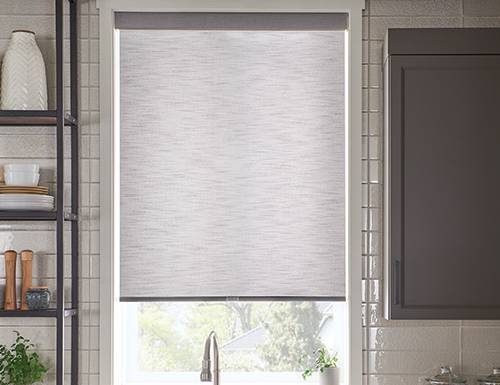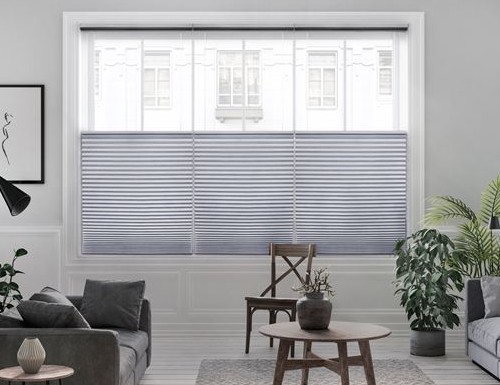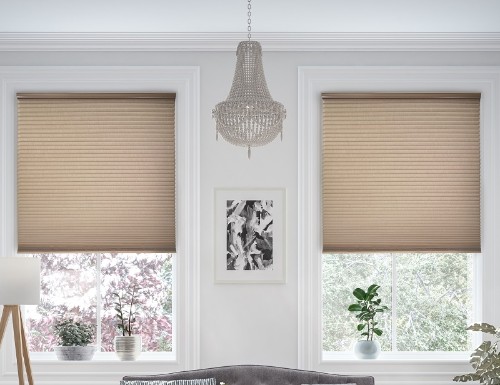









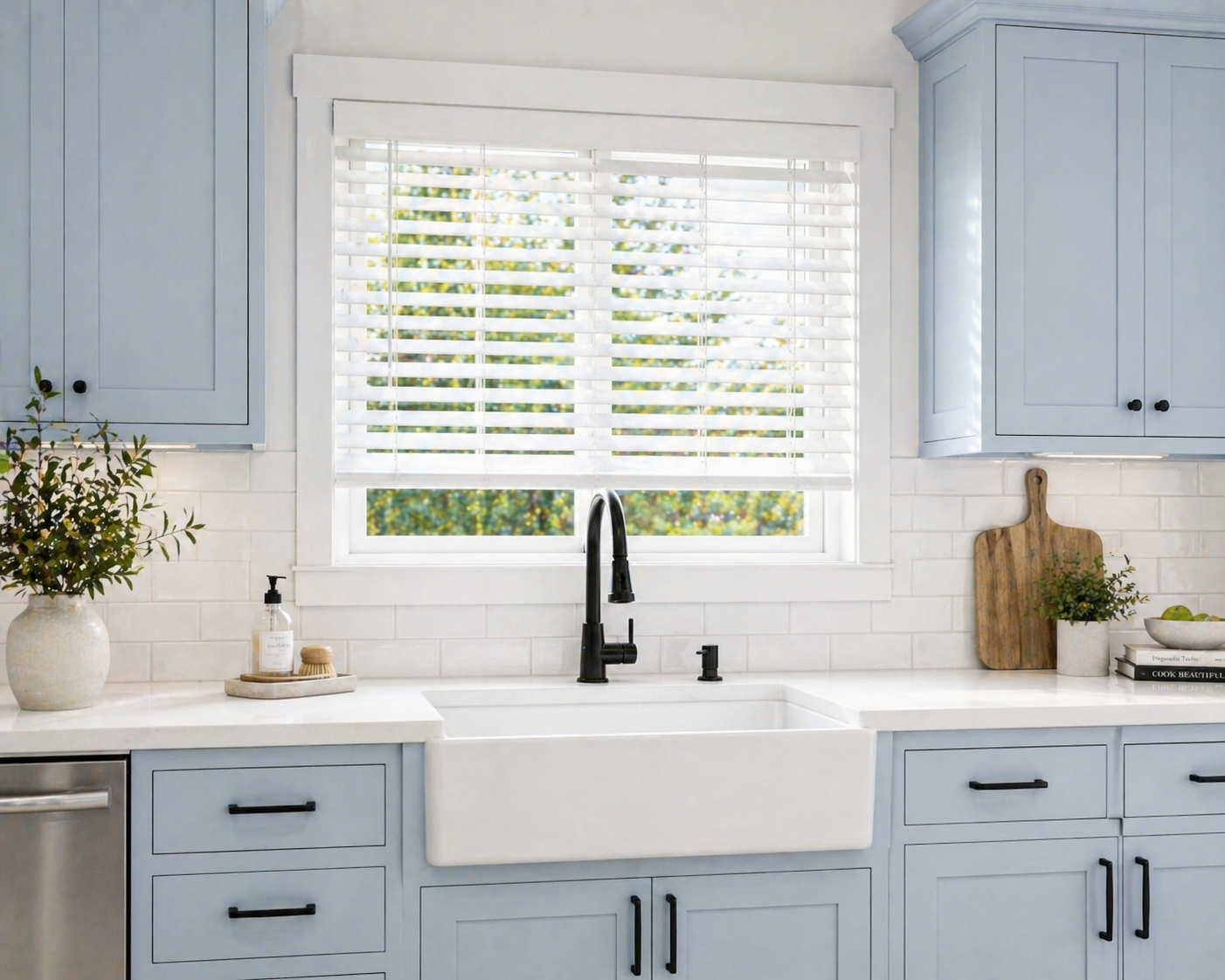
Window blinds are a popular type of window treatment designed to control light, provide privacy, and enhance the look of your home. Unlike shades, blinds are made with individual slats that can be tilted open or closed to adjust light and visibility.
Blinds are available in a wide range of materials, styles, and configurations, making them a versatile option for many types of windows and rooms.
Browse our full selection of custom made window blinds or compare them with top quality window shades to find the best option for your space.
How Do Window Blinds Work?
Window blinds operate using a system that allows you to raise, lower, and tilt the slats. This gives you precise control over how much light enters the room and how much privacy you have.
- Slats tilt open or closed to control light
- Blinds can be raised or lowered to adjust coverage
- Available in cordless, corded, or motorized options
Learn more about operation in our How to Operate Cordless Blinds guide.
Types of Window Blinds
There are several types of window blinds, each offering different benefits depending on the material, design, and function.
- Wood Blinds: Natural wood slats for a warm, classic look
- Faux Wood Blinds: Durable and moisture-resistant alternative to wood
- Aluminum Mini Blinds: Lightweight and budget-friendly option
- Vertical Blinds: Designed for sliding doors and large windows
- Panel Track Blinds: Wide panels for modern large-window coverage
See all types: Types of Blinds for Windows
Benefits of Window Blinds
Window blinds offer several advantages that make them a popular choice for homeowners.
- Precise light control: Adjust slats to let in or block light
- Privacy: Control visibility without fully closing the blinds
- Durability: Many materials are long-lasting and easy to maintain
- Versatility: Available in different styles, sizes, and materials
- Cost range: Options available for a variety of budgets
Blinds vs Shades
Blinds and shades are both popular window treatments, but they function differently. Blinds use slats that tilt, while shades are made from a single piece of fabric that raises and lowers.
Learn More: Compare Blinds vs Shades
Where Are Window Blinds Used?
Window blinds can be used in nearly any room, but they are especially effective in spaces where adjustable light control is important.
- Living rooms
- Bedrooms
- Kitchens
- Offices
- Bathrooms (with moisture-resistant materials)
How to Choose the Right Blinds
Choosing the right blinds depends on your needs for light control, privacy, durability, and style.
- Choose wood or faux wood for a classic look
- Use vertical blinds or panel track blinds for large windows
- Select aluminum blinds for a budget-friendly option
- Consider cordless or motorized options for ease of use
Learn more: Types of Blinds Guide
Explore Window Blinds
Continue learning about window blinds and find the right style for your home:
- Shop Window Blinds
- Real Wooden Blinds
- Custom Faux Wood Blinds
- Metal Mini Blinds
- Vertical Window Blinds
- Sliding Panel Blinds
- Best Alternative Options to Window Blinds
- 16 Types of Window Blinds
Related Article: What are Window Shades?
Final Thoughts
Window blinds are a versatile and functional window treatment that provide excellent control over light and privacy. With many styles and materials available, they can be adapted to fit nearly any room or design preference.
Window Blinds FAQs
What are window blinds used for?
Window blinds are used to control light, provide privacy, and improve the appearance of a room.
What is the difference between blinds and shades?
Blinds use adjustable slats for light control, while shades are made of a single piece of material that raises and lowers.
What are the most common types of window blinds?
Common types include wood blinds, faux wood blinds, aluminum mini blinds, vertical blinds, and panel track blinds.
Are window blinds good for privacy?
Yes, window blinds provide excellent privacy because you can tilt the slats to block visibility while still allowing light in.