








Choosing faux wood shutters—also known as composite or wood alternative shutters—requires understanding your space, style preferences, and functional needs. From materials and louver sizes to room conditions and budget, several factors can influence which option is right for your home.
Browse our entire selection of custom built faux wood shutters. Fore more options, explore our full collection of custom window shutters designed for lasting beauty and durability.
1. Benefits of Composite Shutters
Composite shutters are designed to offer the look of real wood, but with added resilience. Learn more about the Benefits of Faux Wood Shutters
2. The Right Material for Your Space
Different composite materials cater to various environments, so it’s essential to choose wisely based on where you plan to install them.
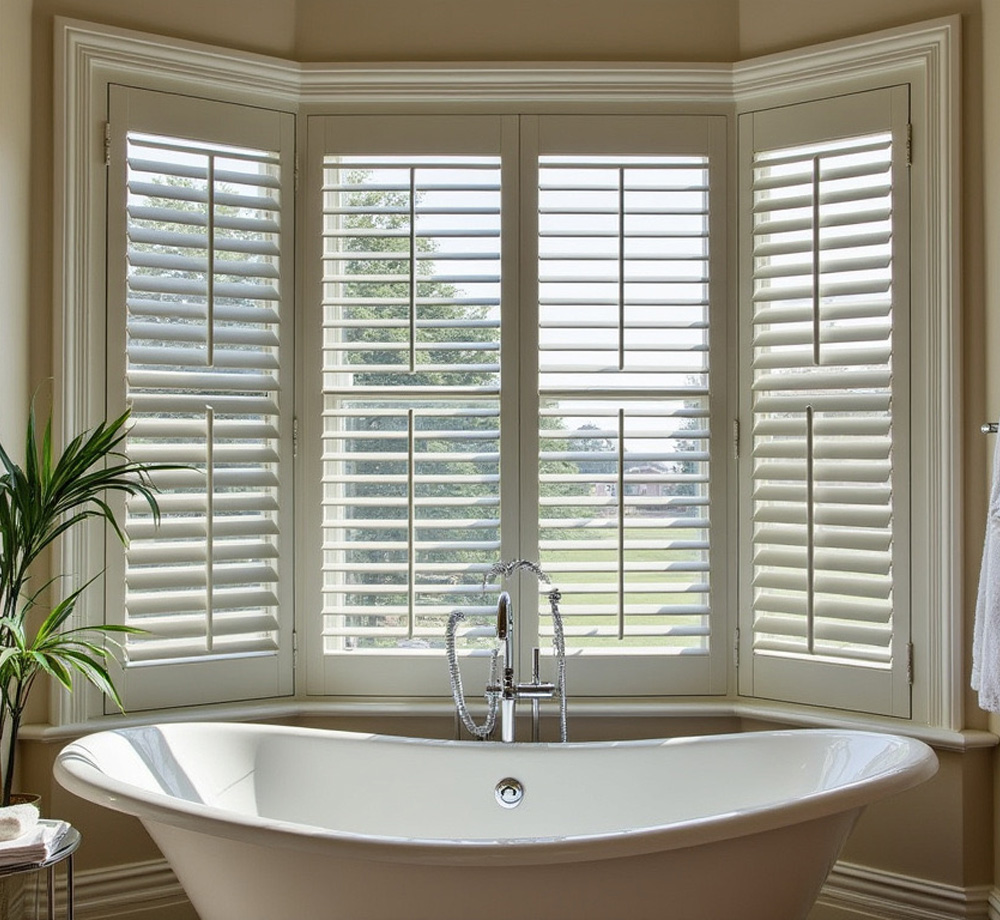
- Polyresin Shutters: These are waterproof and ideal for high-moisture areas like kitchens and bathrooms.
- Engineered Wood Core Shutters: A great option for living rooms or bedrooms, offering the traditional wood look with added durability.
- Hybrid Shutters: These combine the craftsmanship of wood with poly panels for a mix of style and resilience.
3. Choose the Right Style and Louver Size
Composite shutters come in a wide range of styles to match any home decor. Some key options to consider:
- Louver Size: Smaller louvers (2.5”) offer a traditional look, while larger louvers (4.5”) allow for more light and a modern appearance.
- Frame Style: Choose from classic or contemporary frame options to best fit your window and design preferences.
- Panel Configurations: Single panels are great for smaller windows, while double or bi-fold panels work well for larger openings.
4. Environmental and Safety Considerations
Many composite shutters are made from eco-friendly, recyclable materials and are hypoallergenic, making them a healthy and sustainable choice. Additionally, some offer fire-retardant properties, which can be an important safety feature for homes and businesses.
Why It Matters: These factors contribute to a safer and more environmentally conscious home, especially for those with allergies or concerns about indoor air quality.
5. Consider Customize Features and Upgrades
One of the best features of composite shutters is the level of customization available:
- Colors and Finishes: You can choose from various colors and finishes or opt for a custom match to your decor.
- Specialty Shapes: For unique window shapes, composite shutters can be made to fit arches, circles, and angles perfectly.
- Upgrades: Consider additional features like hidden tilt rods, split tilt control, or motorization for added convenience.
6. Cost and Value
Composite shutters tend to be more affordable than real wood, but the price can vary depending on material and customization options. While polyresin shutters may have a higher upfront cost, their long-lasting durability can save money in the long run. Read more about How MuchFaux Wood Shutters Cost.
Why It Matters: Weighing initial cost against long-term value helps ensure that your investment meets both your budget and your home’s aesthetic goals.
How to Choose Faux Wood Shutters for Your Needs
| Need | What to Choose |
|---|---|
| High humidity areas | Polyresin shutters |
| Traditional look | Smaller louvers (2.5”) |
| Modern style | Larger louvers (4.5”) |
| Large windows | Multi-panel configuration |
Still deciding? See our Pros and Cons of Faux Wood Shutters or Are Faux Wood Shutters Worth It.
Conclusion
Composite shutters offer a versatile and durable solution for any room in your home. By considering factors like material, style, environmental impact, and cost, you can choose shutters that meet your needs and enhance your home's look and functionality. Explore Blinds Chalet’s selection to find the right fit for your space.
Related Articles
- Difference Between Composite and Vinyl Shutters
- Real Wood vs Faux Wood Shutters
- Customizing Composite Shutters
- How to Install Faux Wood Shutters
How to Choose Faux Wood Shutters FAQs
How do I choose the right faux wood shutters?
Choose faux wood shutters based on your room conditions, window size, louver size preference, style goals, and budget. It also helps to consider whether you need extra moisture resistance for spaces like bathrooms or kitchens.
What louver size is best for faux wood shutters?
Larger louvers are often preferred for a more open view and a more modern look, while smaller louvers can create a more traditional appearance. The best choice depends on your window size and design preference.
Are faux wood shutters good for bathrooms and kitchens?
Yes. Faux wood shutters are often a good choice for bathrooms and kitchens because they are more resistant to moisture than real wood and are generally easier to maintain.
How do I choose between faux wood and real wood shutters?
Faux wood shutters are often chosen for durability, moisture resistance, and lower maintenance, while real wood shutters are usually chosen for their natural grain and lighter weight. The best option depends on your priorities and the room where the shutters will be installed.
What rooms are best for faux wood shutters?
Faux wood shutters work well in bathrooms, kitchens, laundry rooms, bedrooms, and living spaces. They are especially useful in rooms where humidity or everyday wear may be a concern.
Are faux wood shutters available in different colors and styles?
Yes. Faux wood shutters are available in different painted finishes, louver sizes, frame styles, and panel configurations, which allows you to match them to a range of interior styles.
Are faux wood shutters worth it for large windows?
Faux wood shutters can work well on large windows, but weight should be considered during selection. Larger windows may require different panel configurations or design choices to ensure smooth operation and the right overall look.
Do faux wood shutters cost less than real wood shutters?
In many cases, faux wood shutters are a more cost-effective alternative to real wood shutters. They are often chosen by homeowners who want the appearance of shutters at a more accessible price point.